



Methodology & Zi Wei Dou Shu Imperial System
Zi Wei Dou Shu (紫微斗数, Imperial Purple Star Astrology) is one of the most revered metaphysical sciences of ancient China, attributed to legendary Taoist master Chen Tuan (Chen Xiyi) during the Song Dynasty. By placing planetary luminaries across the 12 Earthly Branches, it maps an intricate 12-palace grid of human experience.
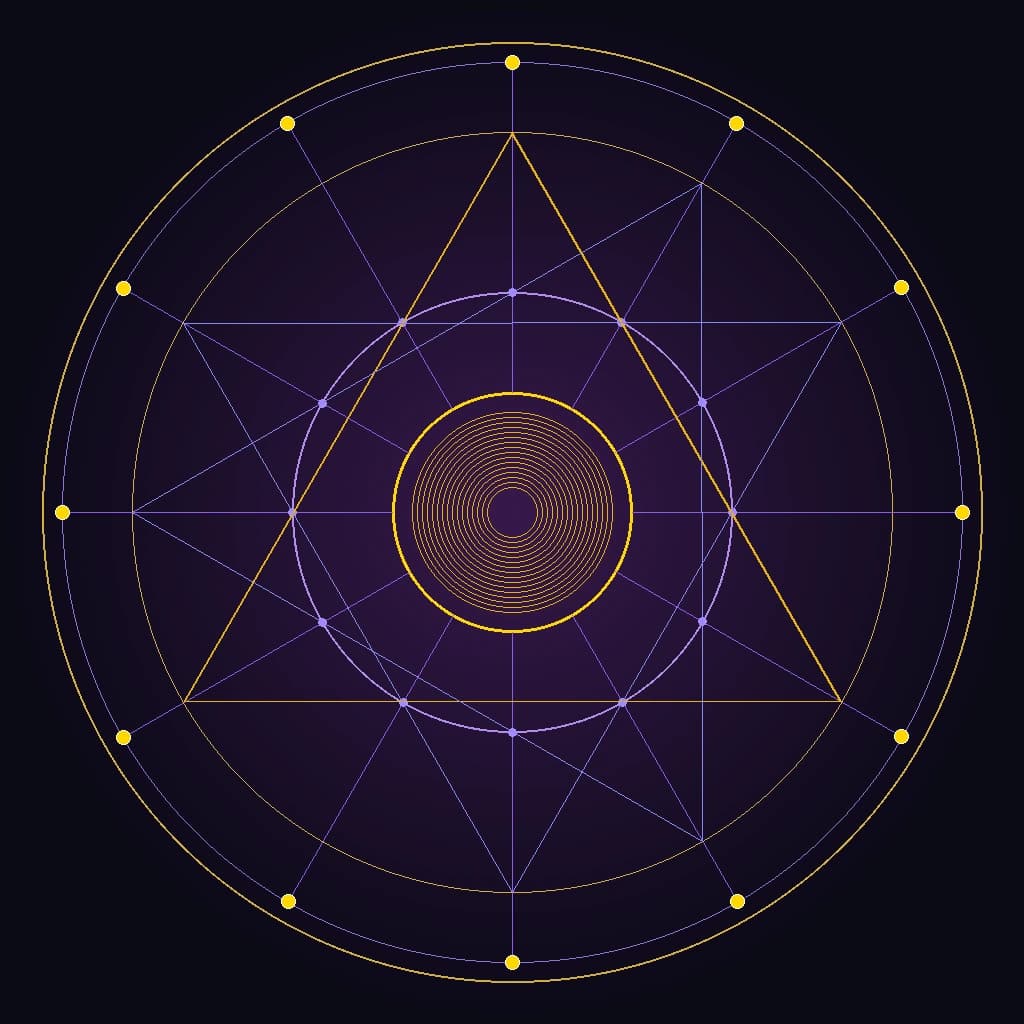
Sacred 12 Palaces geometric wheel displaying San He alliances and opposite polarity axes.
The 12 Palaces of Human Experience
The cosmic grid partitions destiny into twelve interconnected domains: Life (Ming), Siblings (Xiong Di), Spouse (Fu Qi), Children (Zi Nu), Wealth (Cai Bo), Health (Ji E), Travel (Qian Yi), Friends/Subordinates (Nu Pu), Career (Guan Lu), Property (Tian Zhai), Karma & Spiritual Mind (Fu De), and Parents (Fu Mu).
The 14 Major Stars and Brightness States
Fourteen principal stars govern the chart—split between the Northern Dipper (led by Zi Wei, the Emperor Star) and the Southern Dipper (led by Tian Fu, the Treasury Star). Each star expresses its full radiance or shadow depending on its brightness rank in each palace: Temple (Miao), Flourishing (Wang), Favorable (De), or Fallen (Xian).
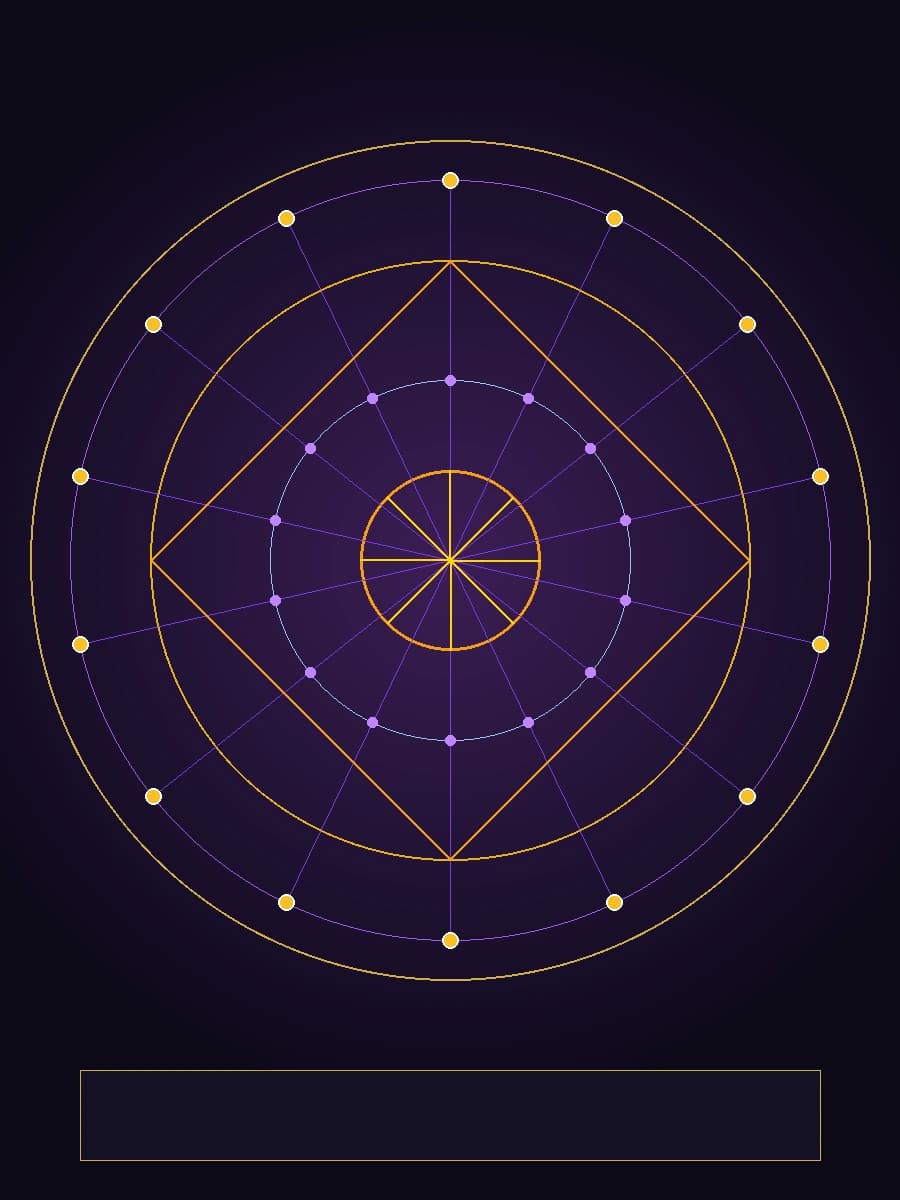
Concentric astrological compass of Northern and Southern Dipper stars with Si Hua mutagens.
Harmonizing Palaces with High-Frequency Crystals
In traditional Eastern metaphysics, energetic deficits in vulnerable palaces (such as an empty palace without major stars, or affliction by the Four Horrors) can be actively balanced. Wearing resonant natural crystals—like Imperial Amethyst for the Life Palace, Citrine for Wealth, or Lapis Lazuli for Career—anchors stability and invites noble benefactor stars.