

432 Hz vs 440 Hz: The Real History, What Research Shows, and How to Test It Yourself
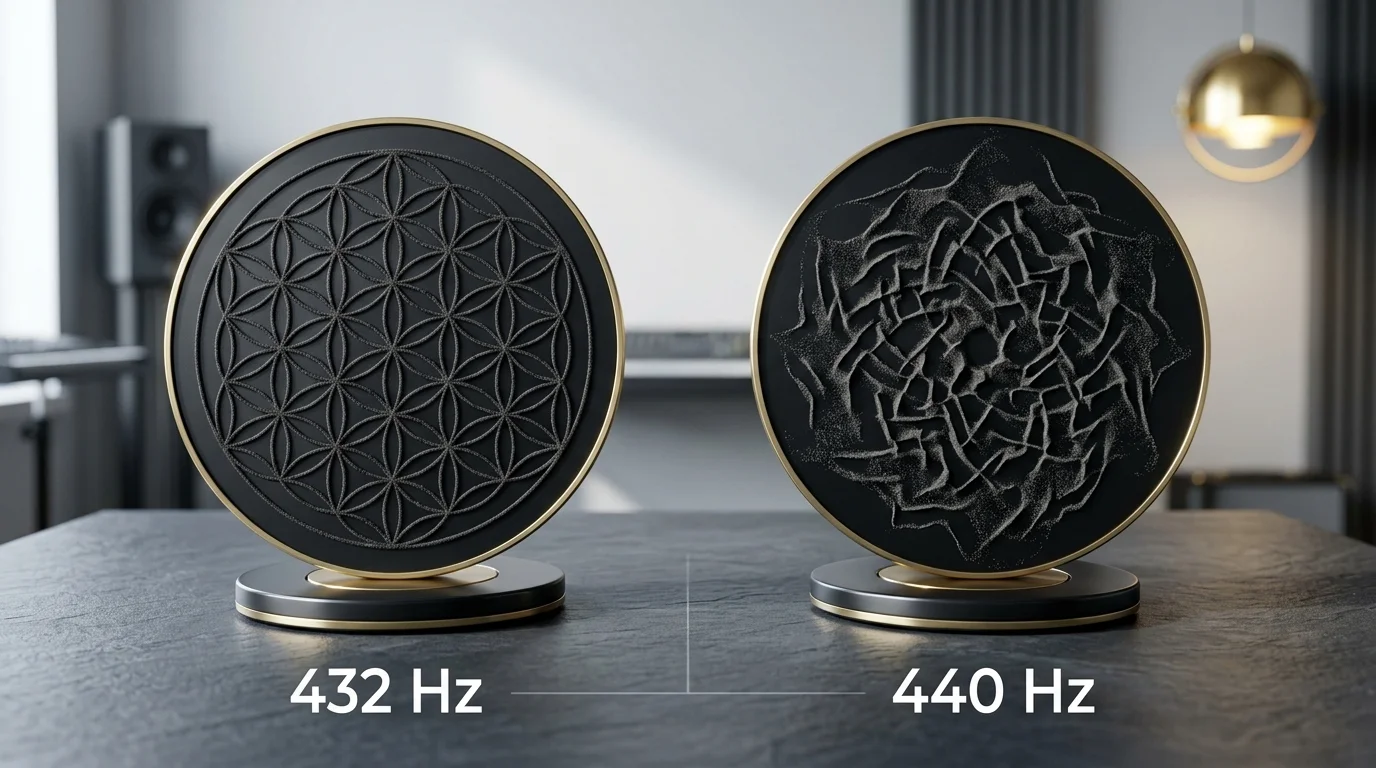
The 432 vs 440 debate is about which pitch the note A should be. A=440 Hz became the international standard in 1939 and ISO 16:1975; some musicians prefer A=432 Hz and describe it as warmer. Evidence for health effects is limited to small studies — the fairest test is a blind comparison with your own ears.
Where A=440 came from
International delegates established A=440 Hz as the standard concert pitch during a 1939 London conference to harmonize conflicting orchestra tunings across Europe. The International Organization for Standardization formally codified this frequency in ISO 16:1975. This unified acoustic baseline simplified instrument manufacturing and orchestral coordination worldwide.
Disclaimer: This interactive tool is intended for personal practice and informational purposes only, not professional financial or medical advice.
How to run your own blind test
Running an objective blind test requires randomized playback pairs of identical musical passages at both pitch standards. Evaluators log immediate perceptual preferences across twenty trials without knowing which tuning is playing. Consistent scores above chance reveal authentic personal acoustic sensitivity.
- Use headphones in a quiet room at a low, comfortable volume.
- Have someone else — or a tool — play the same chord or short piece at 432 Hz and 440 Hz in random order.
- After each pair, note which felt calmer and guess which was 432 Hz.
- Repeat at least 20 times on different days. Around 50% correct guesses means you cannot tell them apart; a clear preference still matters if it is consistent.
- Keep a simple log of calm before and after listening sessions to see what helps you in practice.
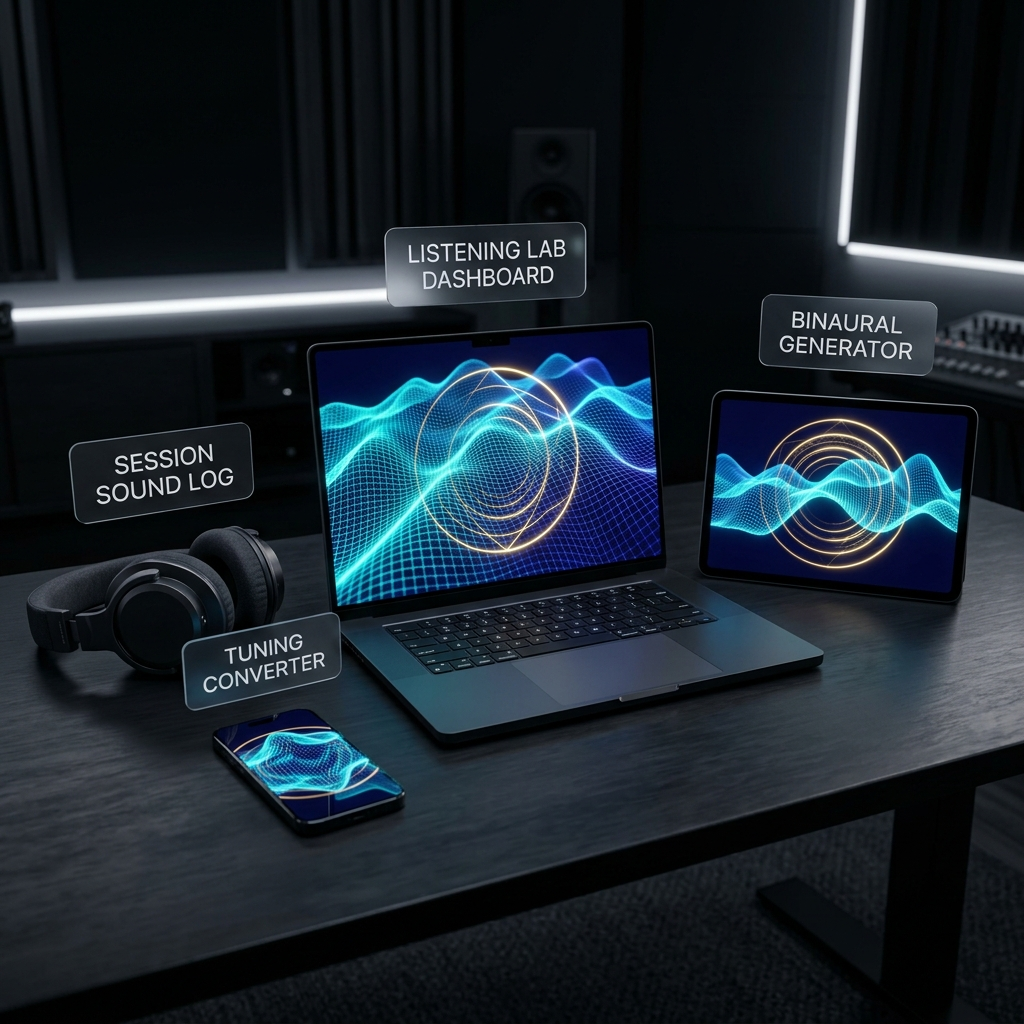
The 432 Hz vs 440 Hz Listening Lab & Binaural Session Tracker automates this: it plays the same chord at both tunings in random order, records your answers and accuracy against chance, converts every note between the two standards, includes a binaural-beat generator with a timer and volume cap, and logs your sessions and reflections.
Why some people prefer 432 Hz
Listeners favor 432 Hz tuning because the lower pitch produces a noticeably warmer, softer acoustic quality. Classical composers including Giuseppe Verdi advocated for lower concert pitch baselines to protect vocal cords. Modern enthusiasts also value the distinct acoustic warmth across acoustic guitar and string instruments.
- Historical taste. Giuseppe Verdi argued for a lower pitch and came to prefer A=432.
- Sound. Many listeners describe 432-tuned music as rounder or warmer, partly because everything is about a third of a semitone lower.
- Numerology and cosmology claims. Online, 432 is linked to sacred geometry and "the frequency of the universe". These are symbolic claims rather than measurements.
A widely shared story says 440 Hz was chosen to make people anxious or controllable. There is no historical evidence for that; the record shows a practical standardisation process.
What research actually shows
Peer-reviewed research shows modest autonomic relaxation from 432 Hz music without supporting clinical healing claims. A 2019 pilot study observed slight reductions in heart rate, yet broader therapeutic benefits remain unproven. Listening to 432 Hz music serves as a personal calming ritual rather than medical treatment.
| Claim | What is known |
|---|---|
| 432 Hz music is more relaxing | A 2019 double-blind pilot study (Calamassi & Pomponi, 33 volunteers) found slightly lower heart and respiratory rates with 432 Hz music. Small and preliminary. |
| 440 Hz causes stress | No good evidence. |
| 432 Hz heals cells or DNA | No evidence. |
| People can hear the difference | Side by side, some can; in blind tests, many cannot reliably. |
The honest summary: 432 Hz may feel pleasant to you, and that is a perfectly good reason to listen to it. It is not a treatment.
Binaural beats in brief
Binaural beats occur when headphones deliver slightly different sound frequencies to each ear, prompting the brain to perceive an internal rhythmic pulse. Research confirms gentle sensory entrainment, though clinical anxiety relief outcomes vary widely. Listeners should maintain moderate volume and avoid listening while operating vehicles.
Related practices
Complementary auditory practices integrate specific sound frequencies with somatic mindfulness to optimize personal relaxation routines. Practitioners frequently combine targeted frequency sessions with structured breathwork and reflective journaling to track physiological changes over time.
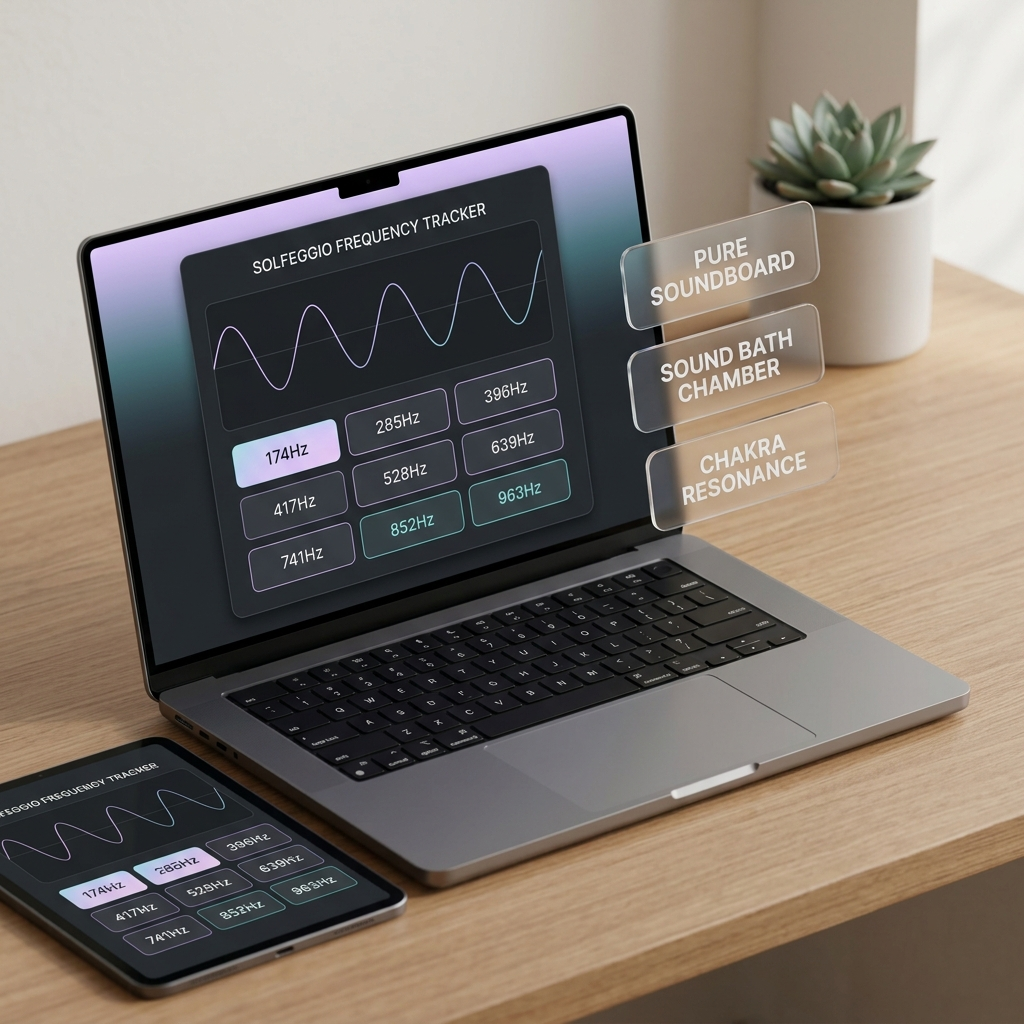
- For the nine Solfeggio tones often paired with 432 Hz playlists, the Solfeggio Frequencies & Sound Healing Tracker includes a tone synthesizer and sound-bath journal.
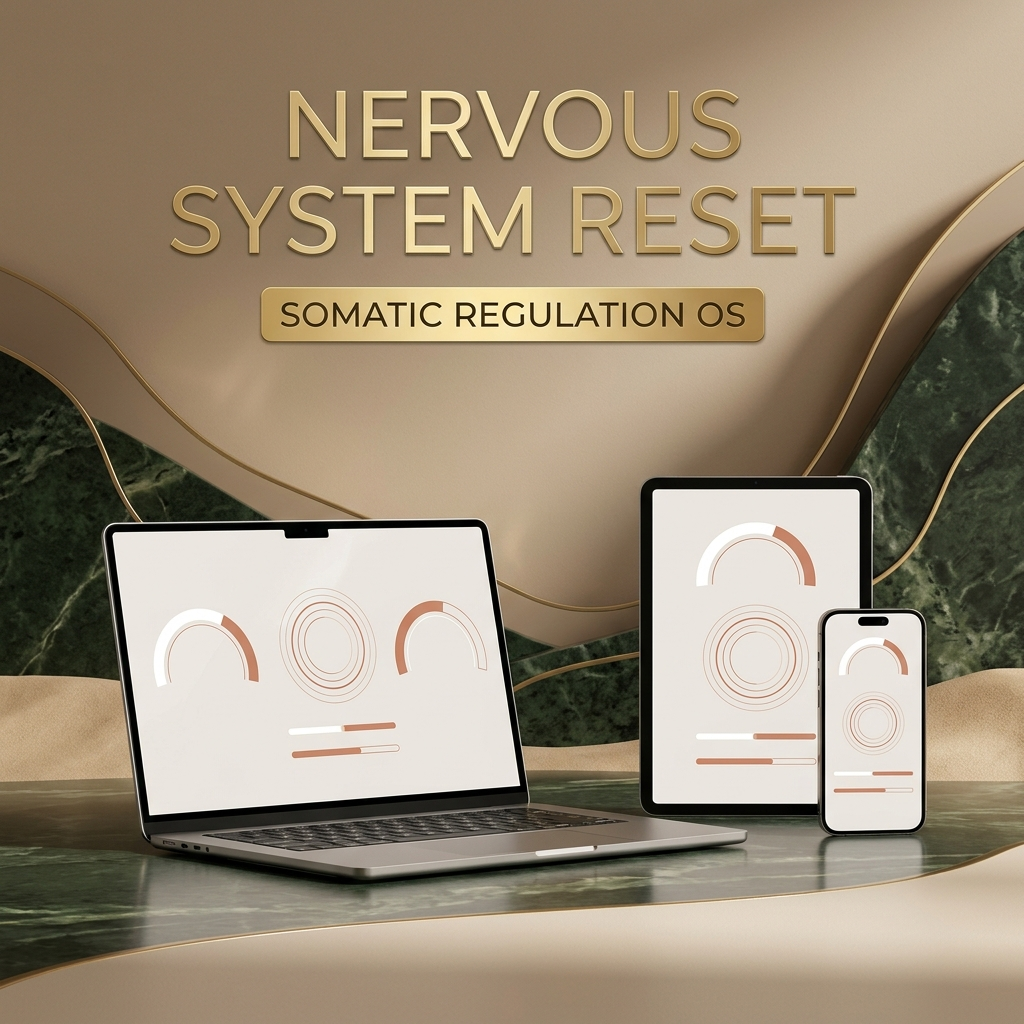
- If listening sessions leave you wired rather than calm, the Grounding & Nervous System Reset Guide offers somatic exercises.
- For a meditation practice that pairs sound with reflection, the Soul Star Chakra & Higher Self Journal logs practices with calm before and after.
A grounded note
Music and sound practices can support relaxation, but they are not a substitute for medical or mental-health care, and no frequency is guaranteed to produce a specific effect.
Strategic Topic Frameworks & Practical Connections
To deepen your practical mastery and build an integrated operational workflow within this topic, explore these complementary guides:
- Implement the execution protocols in 528 Hz Benefits & Solfeggio Miracle Tone Guide to systematically strengthen your foundational routine.
- Explore the strategic principles detailed in 528 Hz Frequency DNA Repair Benefits: Sound Healing & Heart Chakra Guide for advanced optimization and mental clarity.
- Apply the structured methods from 639 Hz Solfeggio Frequency: Relationship Healing & Heart Resonance Guide to maintain long-term momentum and consistency.
FAQ
What is the difference between 432 Hz and 440 Hz?
Both are reference pitches for the note A above middle C. 432 Hz is about 31.77 cents — roughly a third of a semitone — lower than the 440 Hz standard.
Why is 440 Hz the standard?
It was recommended at an international conference in London in 1939 and later confirmed as ISO 16:1975, giving orchestras and instrument makers one shared pitch.
Is 432 Hz better for you?
A small 2019 pilot study found slightly lower heart rates with 432 Hz music, but that is not proof. If you prefer it, enjoy it; just don't treat it as medicine.
Can people hear the difference between 432 and 440?
Some can when the two are played back to back. In blind tests many listeners cannot tell them apart reliably, which is why testing yourself is useful.
How do I convert music to 432 Hz?
Multiply every frequency by 432 ÷ 440 (0.98182), or lower the pitch by 31.77 cents in audio software.
Research & References
- [1]Calamassi et al. (2020), Music Tuned to 432 Hz versus 440 Hz for Improving Sleep (Acta Biomedica) ↗
- [2]PubMed — Thoma et al. (2013), The Effect of Music on the Human Stress Response (PLOS One) ↗
For comprehensive editorial standards and health/financial disclaimers, view our Editorial Policy.
Tools featured in this guide
432 Hz vs 440 Hz Listening Lab & Binaural Session Tracker — Test It Yourself
Run blind A/B listening trials, generate binaural beats with a timer, convert every note between A=432 and A=440, and track which sessions actually calm you.
$24.99₫549,000
Solfeggio Frequencies & Sound Healing Tracker | Yinyang Masters
9 Solfeggio Tone Generator, Sound Bath Chamber, Chakra Frequency Map & Meditation Session Journal
$24.99₫549,000
Grounding & Nervous System Reset Guide: Interactive Somatic App
Interactive Polyvagal Somatic Regulation OS & Earth Frequency Resonance Engine
$24.99₫549,000
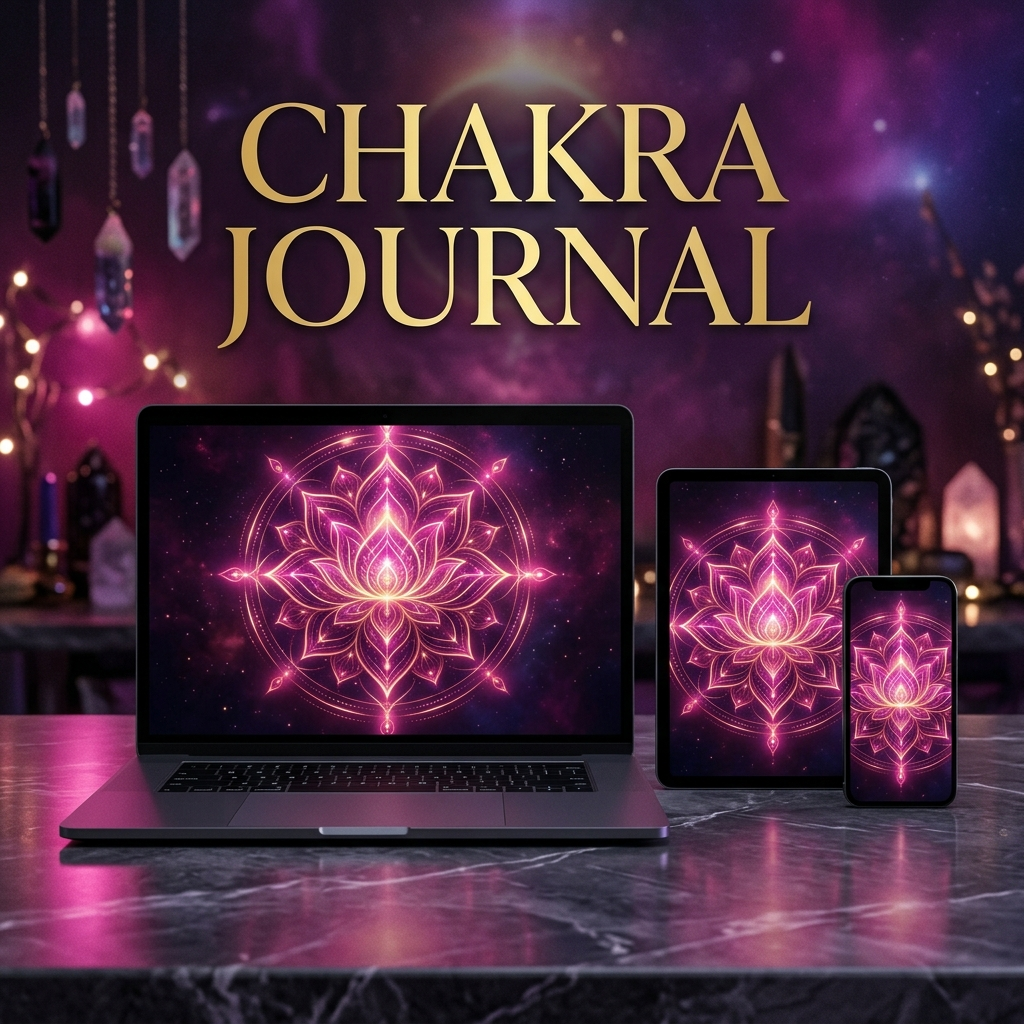
Soul Star Chakra & Higher Self Journal — 9-Center Chakra Tracker and Reflection Journal
Check in daily with the Earth Star, the seven classical chakras and the Soul Star, chart your balance, and keep a higher-self dialogue journal and practice log.
$24.99₫549,000
Guides in this Topic
View all (11) → Solfeggio Frequencies and Sound Healing
417 Hz Solfeggio Frequency and Negative Energy Cleansing Guide
Explore 417 Hz Solfeggio frequency benefits, sound bath protocols, emotional trauma release, sacral chakra clearing, and acoustic healing science.
Read guide
528 Hz Frequency DNA Repair Benefits: Sound Healing & Heart Chakra Guide
Discover 528 Hz frequency DNA repair benefits, Solfeggio sound healing, and heart chakra alignment. Learn acoustic science and daily listening rituals.
Read guide- Sound Healing & Energy Alignment
528 Hz Frequency Benefits & Solfeggio Sound Healing Guide
Discover 528 Hz frequency benefits and Solfeggio sound healing. Explore the Miracle Tone for stress relief, chakra balancing, and daily audio meditation.
Read guide 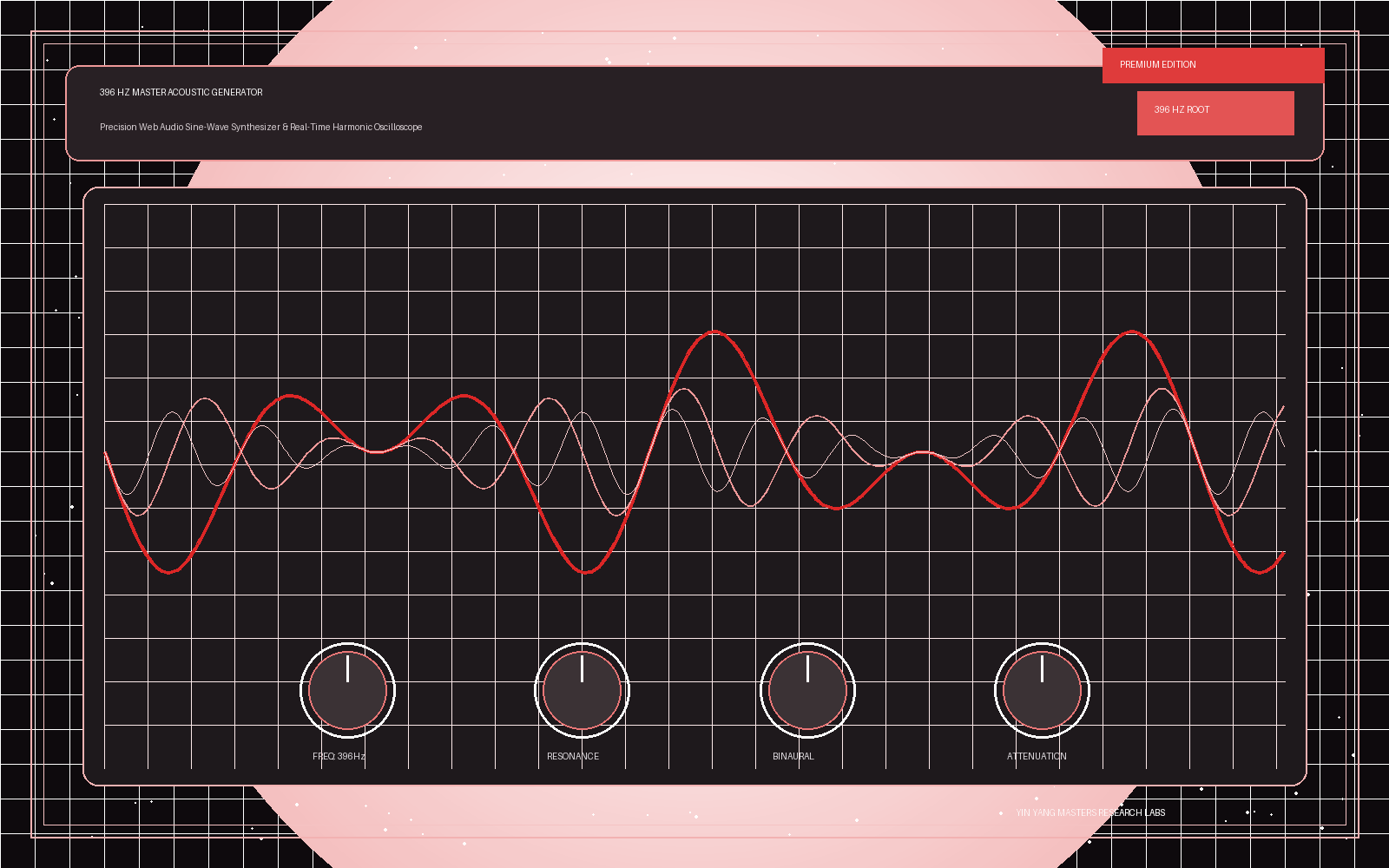 sound-frequency
396 Hz Solfeggio Frequency: Root Chakra Healing & Fear Release Guide
Explore 396 hz frequency benefits, solfeggio frequencies 396 hz for root chakra grounding, releasing subconscious fear, guilt, and emotional blockages.
Read guide Sound Healing & Frequencies
432 Hz vs 528 Hz: Healing Frequencies, DNA Repair & Deep Sleep Soundscapes
Compare 432 Hz vs 528 Hz. Discover 432 Hz benefits, 528 Hz healing frequency for DNA repair, solfeggio frequencies meaning, and frequency for deep sleep.
Read guide Sound Therapy & Vibrational Medicine
528 Hz Benefits & Solfeggio Miracle Tone Guide
Explore 528 Hz benefits, Solfeggio miracle tone resonance, deep sleep entrainment, stress reduction, and cellular vibrational sound healing protocols.
Read guide
Topic Pillar
Sound Frequencies & Solfeggio
Acoustic science, Solfeggio healing tones, cellular resonance, and auditory meditation.
Ask Yinyang Masters inside your AI assistant
Get the same calculations and guidance right in your chat: add the free Yinyang Masters app, then ask in plain English. No account needed.
Try asking: “Which Solfeggio frequency helps with sleep and calm?”