



How to Spot Ghost Jobs: AI Screening Audit & Application Tracker


Understanding the ghost jobs meaning in 2026 is vital for job seekers facing unprecedented burnout from automated hiring platforms and phantom employment listings. Companies frequently post positions they have no immediate intention to fill, creating false talent pipelines that exhaust candidates unless applications are filtered through structured audit criteria and tracked systematically.
The modern employment landscape has undergone a profound distortion driven by automated applicant tracking systems (ATS) and corporate optics management. According to hiring manager surveys conducted by Clarify Capital and Resume Builder (as of 2024), an estimated 36% to 43% of active listings on major job boards function as ghost jobs—vacancies posted by human resources departments without active budget allocation or immediate hiring timelines. For candidates submitting hundreds of resumes into corporate portals, this phenomenon leads to acute psychological fatigue, unreturned inquiries, and distorted perceptions of personal market value.
Navigating this challenging recruitment climate requires shifting from high-volume, indiscriminate resume blasting to disciplined candidate auditing. This guide defines the corporate motivations behind phantom listings, outlines red flags for spotting ghost jobs before applying, and provides structured frameworks for organizing your job search pipeline.
1. Defining Ghost Jobs: Why Companies Post Positions They Never Fill
To protect your time and emotional energy, you must understand the corporate incentives driving phantom recruitment listings:
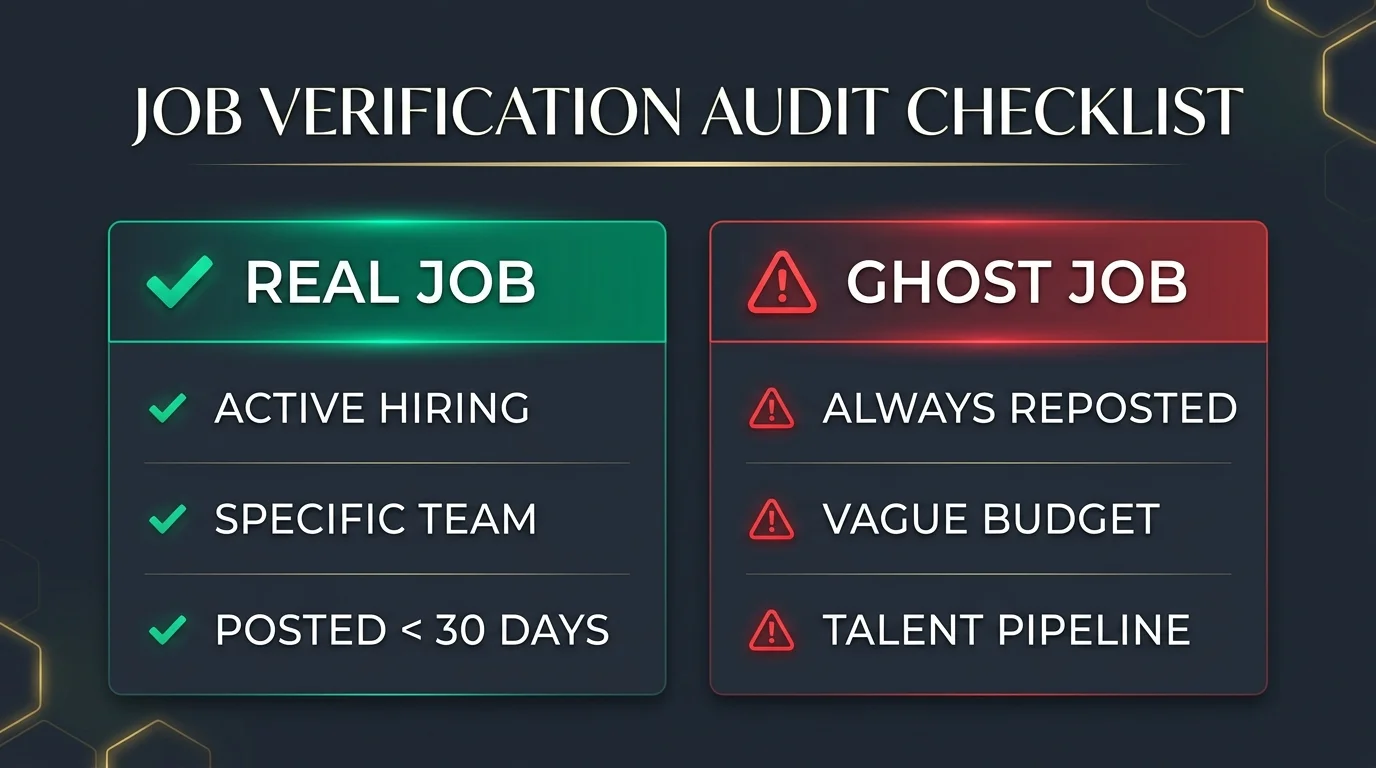
- Signaling Growth to Investors: Companies frequently maintain active job openings to convey corporate momentum, technological expansion, and operational health to shareholders and market analysts.
- Placating Overworked Internal Staff: When existing employees complain of burnout, management posts open positions to foster the illusion that recruitment relief is actively underway.
- Talent Pool Hoarding for Future Contingencies: Human resources departments passively aggregate applicant resumes to create pre-screened talent pools in case unexpected employee turnover occurs.
- Automated Algorithmic Reposting: Recruitment software often automatically renews job listings across platforms every 30 days without human verification or active hiring manager involvement.
Recognizing that many open positions represent corporate public relations rather than genuine vacancies empowers candidates to evaluate listings with critical detachment.
2. Five Critical Red Flags to Identify Phantom Listings
Before dedicating hours to tailoring resumes and cover letters, run every prospective listing through these five diagnostic filters:
- Continuous Reposting Beyond 60 Days: If a job listing has been active or repeatedly reposted for two to three months in a standard labor market, the company is almost certainly talent hoarding rather than hiring.
- Vague, Hyper-Broad Responsibilities: Phantom listings typically feature generic requirements lacking specific project deliverables, reporting relationships, or quantifiable technical requirements.
- No Listed Hiring Manager or Recruiter Activity: Authentic vacancies generally feature active recruitment outreach on LinkedIn or industry platforms from internal department leads.
- Corporate Freeze Discrepancies: If a company announces public cost-cutting measures or hiring pauses while listing dozens of open positions, those postings are ghost jobs.
- Immediate Automated Screening Questionnaires Without Human Review: Postings that route candidates through extensive pre-interview test modules without human screening frequently represent passive data collection.
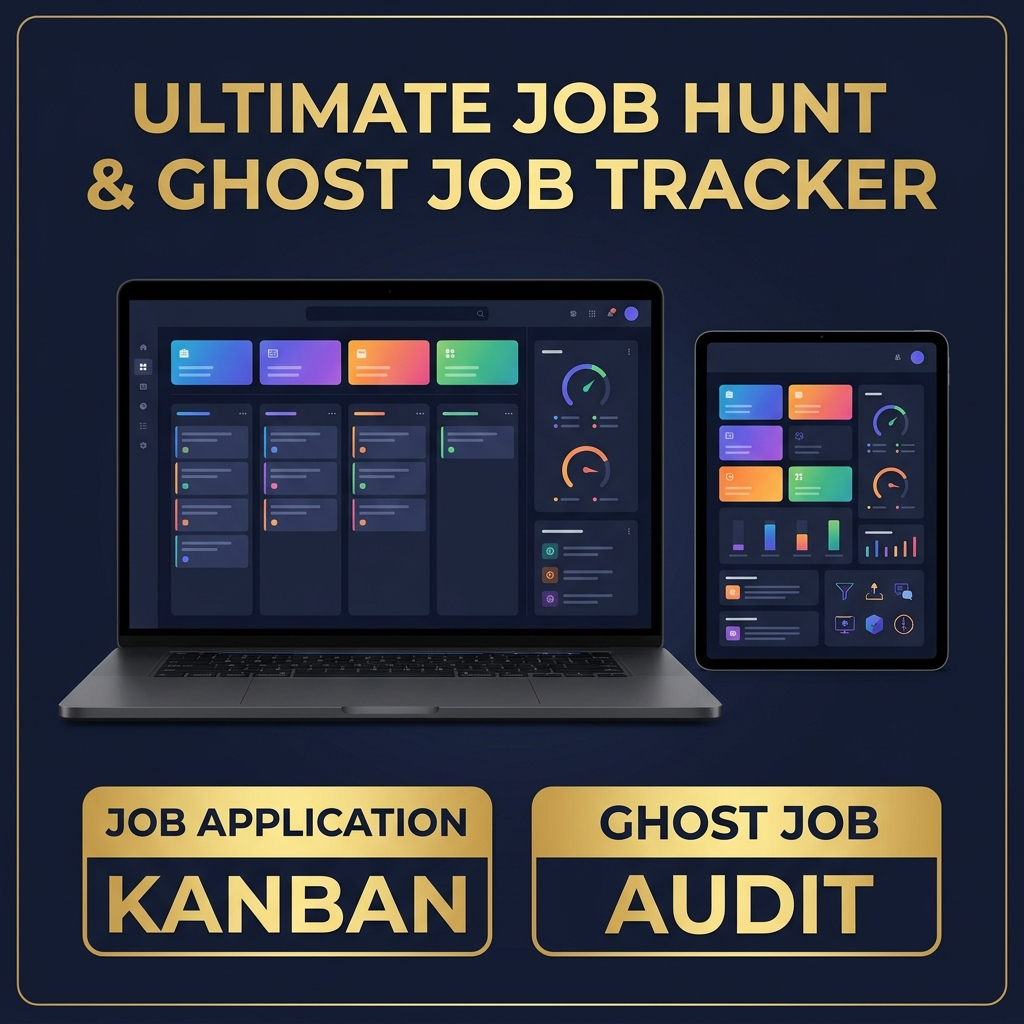
To systematically audit and categorize your prospect pipeline, utilize the Ultimate Job Hunt & Ghost Job Audit Tracker to log verification criteria.
3. Bypassing AI Screening Bots Through Strategic Networking
As enterprise recruitment portals deploy generative artificial intelligence and automated ATS filters, landmark workplace research from Harvard Business School and industry recruitment benchmarks (as of 2024) indicate that between 75% and 88% of cold applications are rejected algorithmically before human hiring teams ever review them.
Beating this automated funnel requires bypassing cold job boards entirely:
- Targeted Backchannel Outreach: Identify department heads or prospective peers within target organizations and initiate brief, value-focused introductory inquiries rather than submitting standard resumes.
- Showcasing Verifiable Public Artifacts: Maintain active portfolios, GitHub repositories, or technical write-ups that demonstrate proven competence rather than bullet-pointed claims.
- Career Reinvention Planning: Align your professional trajectory with high-demand, AI-resilient specializations using the AI-Proof Career & Side-Hustle Planner.
Furthermore, candidates preparing for hybrid roles should understand employer scheduling expectations. Cross-referencing prospective workplace policies with tools like the Hybrid & Remote Work Schedule Tracker ensures that you negotiate realistic commuting boundaries during interviews.

4. Managing Your Job Hunt as an Enterprise Sales Funnel
Job seeking in the era of automated recruiting should be approached with the discipline of a professional sales pipeline:
- Top of Funnel (Discovery): Identify 20 to 30 high-fit organizations and audit their postings for ghost job markers.
- Mid-Funnel (Outreach & Referral): Seek warm introductions through former colleagues, industry forums, or direct executive correspondence.
- Bottom of Funnel (Conversion & Negotiation): Track interview stages, prepare structured question frameworks, and negotiate compensation based on comprehensive personal financial planning.
Managing your cash flow during extended employment transitions is vital for negotiating from a position of strength. Track your runway with the Personal & Business Finance Command Center.
5. Comparative Evaluation of Job Search Strategies
Evaluating your recruitment approach reveals why structured candidate auditing dramatically outperforms indiscriminate volume blasting (benchmark interview conversion rates based on Jobvite recruiting analytics as of 2024):
| Job Search Strategy | Application Volume | Average Interview Conversion Rate | Candidate Burnout Factor | Long-Term Career Match |
|---|---|---|---|---|
| Mass Automated Quick-Apply | 200 - 500 applications | Under 1% (Filtered by ATS) | Extreme psychological exhaustion | Low; mismatched expectations |
| Reactive Board Browsing | 30 - 50 applications | 3% - 5% (High ghost job exposure) | High frustration with ghost listings | Moderate |
| Audited Referral Pipeline | 10 - 20 targeted contacts | 25% - 40% (Direct human review) | Low; high agency and dignity | High; mutual professional alignment |
| Independent Consulting Pivot | Selective client acquisition | High control over revenue | Self-directed entrepreneurial ownership | Unlimited personal autonomy |

Strategic Topic Frameworks & Practical Connections
To deepen your practical mastery and build an integrated operational workflow within this topic, explore these complementary guides:
- Implement the execution protocols in Justin Welsh Solopreneur Operating System: The Complete Architecture & Playbook to systematically strengthen your foundational routine.
- Explore the strategic principles detailed in Conscious Unbossing: What It Means and How to Build a Career Without Climbing Into Middle Management for advanced optimization and mental clarity.
- Apply the structured methods from 4-Day Work Week Schedule Model: Company Trials and Capacity Planning Guide to maintain long-term momentum and consistency.
6. Frequently Asked Questions (FAQ)
What does the term ghost jobs mean in the 2026 job market?
Ghost jobs refer to active job listings posted by companies that have no current budget, active timeline, or genuine intent to hire an external candidate in the immediate future.
Why do companies keep job postings open if they are not hiring?
Companies post ghost jobs to present an image of robust growth to market investors, placate existing overworked employees, build passive resume databases for future turnover, or keep recruitment algorithms warm.
How can I verify if a job posting is a real vacancy?
Check how long the position has been listed, search whether current employees or recruiters are actively sharing it on LinkedIn, and verify if the company is currently enforcing internal hiring freezes.
What is the most effective way to protect mental health while job hunting?
Shift away from mass cold applications, audit postings to avoid phantom listings, maintain an organized offline application tracker, and focus on warm professional networking and direct outreach.
7. Conclusion
The prevalence of ghost jobs is a structural flaw in modern recruitment platforms, not a reflection of your personal value or capability. By adopting a discerning, investigative mindset, auditing job listings before applying, and focusing on direct human connections, you reclaim your dignity and navigate the hiring market with confidence.
Explore verified real-time macro telemetry, market catalysts, and capital flow intelligence.
Macro labor tracker evaluating real payroll growth, job opening revisions, and verified corporate talent acquisition momentum.
Tools featured in this guide
Ultimate Job Hunt & Ghost Job Audit Tracker
Algorithmic Ghost Job Detection, ATS Pipeline & Total Compensation Architecture | Yinyang Masters
$22.99₫499,000
AI-Proof Career & Side-Hustle Transition Planner
Interactive single-file digital tool to audit human-moat skills, map career transition milestones, and manage diversified side-hustle revenue.
$24.99₫549,000
Hybrid & Remote Work Schedule Tracker — RTO & Coffee Badging OS
Interactive single-file application to balance in-office attendance, avoid RTO policy penalties, track coffee badging swipes, and calculate commute savings.
$24.99₫549,000
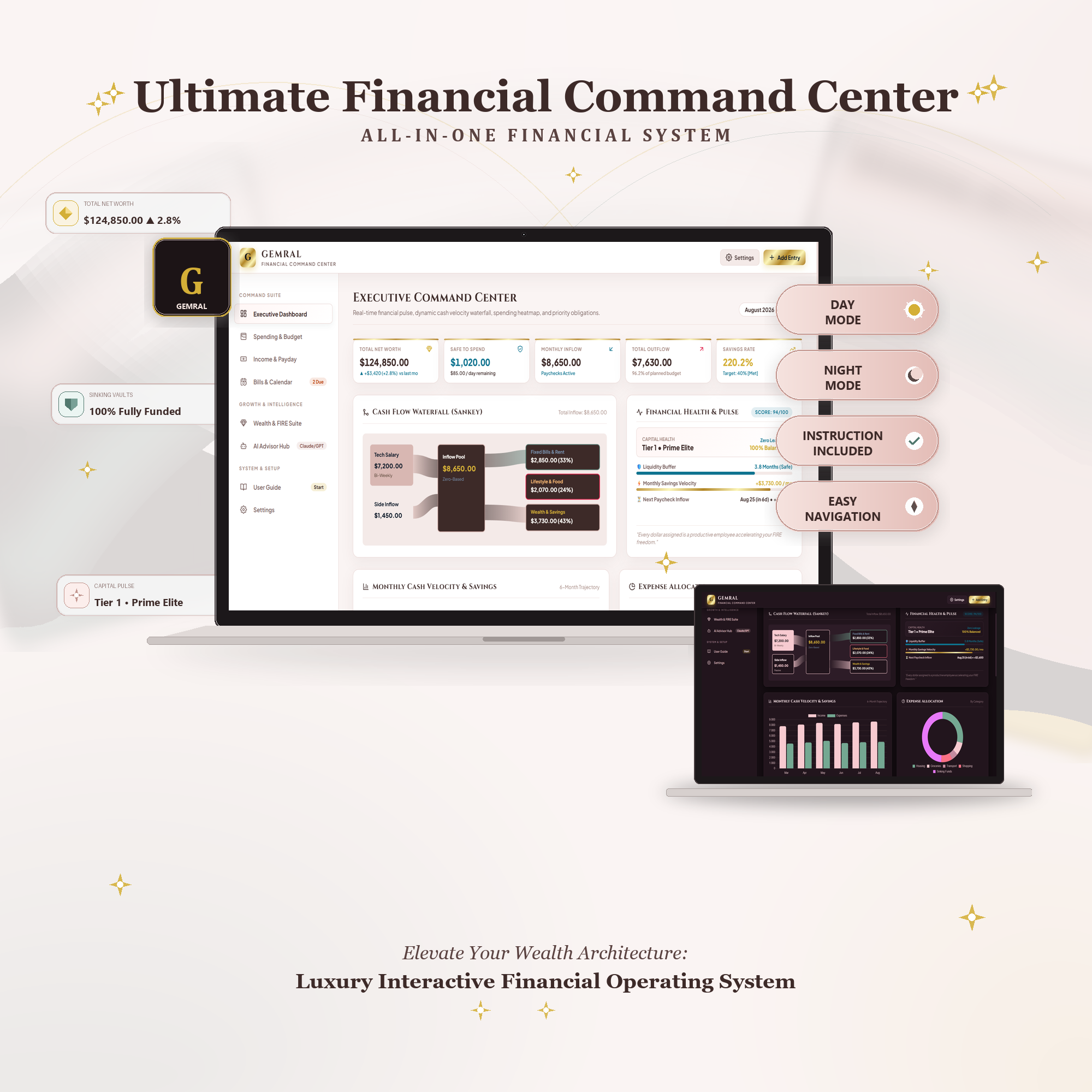
Personal Finance Command Center & Wealth Dashboard
Luxury financial operating system for zero-based budgeting, net worth tracking, debt elimination, and FIRE planning.
$24₫529,000
Guides in this Topic
View all (10) → Career
Federal Layoff Survival Checklist: Buyouts, Severance, Benefits and Your Move to the Private Sector
A practical checklist for federal employees facing RIFs or buyouts: VSIP vs severance vs VERA, leave payout, FEHB TCC, TSP, ethics rules and a 90-day plan.
Read guide Career
Conscious Unbossing: What It Means and How to Build a Career Without Climbing Into Middle Management
What conscious unbossing means, why middle management is shrinking, and a practical individual contributor roadmap for flat organizations.
Read guide Workplace Operations & Productivity
4-Day Work Week Schedule Model: Company Trials and Capacity Planning Guide
Explore 4-day work week companies, 32-hour schedule models, shift frameworks, and team capacity planning strategies to maximize workplace productivity.
Read guide Productivity
AI Fatigue at Work: Why AI Tools Are Adding to Burnout and a Workflow System That Fixes It
Why AI tools add to workload and burnout, the warning signs of AI fatigue, and a simple delegation and review system to get your time back.
Read guide Career Strategy
Jobs AI Can't Replace: Building an Irreplaceable Human Moat and Career Roadmap
Strategic guide to jobs AI cannot replace. Build human moat skills, map career transition milestones, and launch resilient independent income streams.
Read guide Workplace Strategy
Amazon 5-Day RTO Survival Guide & Coffee Badging Framework
Master the Amazon 5-day return-to-office mandate. Learn coffee badging survival tactics, badge tracking spreadsheets, and hybrid schedule management.
Read guide
Topic Pillar
Career Resilience & Workplace
AI-proof careers, solopreneurship, corporate navigation, and future-ready personal moats.
Ask Yinyang Masters inside your AI assistant
Get the same calculations and guidance right in your chat: add the free Yinyang Masters app, then ask in plain English. No account needed.
Try asking: “Find a Yinyang Masters guide about starting a daily spiritual practice.”