



Steve Jobs Daily Routine & Ruthless Simplicity: Minimalist Protocol Guide

Steve Jobs' daily routine centered on radical cognitive minimalism: stripping away non-essential lifestyle choices to preserve mental bandwidth for visionary product design and high-stakes executive decisions. By leveraging daily mirror mortality reflections, an identical black turtleneck uniform, walking meetings, and brutal focus, Jobs engineered one of the most prolific creative legacies in modern history.
┌──────────────────────────────────────────────────────────────────────────┐
│              STEVE JOBS MINIMALIST COGNITIVE OPERATING SYSTEM            │
├──────────────────────────────────────────────────────────────────────────┤
│ 1. Morning Mirror Audit (06:00 - 07:00)                                   │
│    └──> "If today were the last day of my life, would I want to do this?"│
│ 2. Uniform Armor & Decision Fatigue Prevention (07:00 - 07:30)           │
│    └──> Issey Miyake black turtleneck + Levi's 501s + New Balance 991s   │
│ 3. Deep Solitary Creative Block (07:30 - 09:30)                          │
│    └──> Zero-distraction product contemplation and email pruning         │
│ 4. Executive Confrontation & Walking Meetings (10:00 - 16:00)            │
│    ├──> Jony Ive Industrial Design Lab review (tactile prototypes)       │
│    └──> 1-on-1 kinetic walking meetings around Palo Alto/Cupertino       │
│ 5. Evening Zen Decompression & Family Dinner (17:30 - 21:00)             │
│    └──> Strict vegan/pescatarian meal + barefoot mindfulness reflection  │
└──────────────────────────────────────────────────────────────────────────┘
1. The Anatomy of Steve Jobs' Daily Schedule
Unlike modern productivity influencers who advocate twenty-step dawn routines involving ice baths and elaborate biohacking gadgets, Steve Jobs practiced an austere, Zen-inspired minimalism. He understood that executive willpower is a scarce, depleting cognitive biological resource. Every micro-decision made regarding breakfast, clothing, or scheduling subtracts energy from pivotal product breakthroughs.
Jobs' actual daily rhythm followed an intuitive, focused structure:
06:00 – 07:00: The Solitary Awakening & Mirror Confrontation
Jobs rose early, typically around 6:00 AM. Before interacting with employees, family, or digital feeds, he stood before the bathroom mirror and conducted his legendary mortality audit. He reviewed key priorities for the day, centering his emotional state around existential urgency.
07:00 – 09:00: Deep Work at the Home Office
Before commuting to Apple's Infinite Loop headquarters, Jobs worked in his home study in Palo Alto. During this undisturbed two-hour window, he read drafts, reviewed top-tier engineering briefs, and answered urgent emails from global supply chain leaders.
09:30 – 12:00: Kinetic Walking Meetings & Product Reviews
Upon arriving at Apple, Jobs avoided formal conference rooms whenever possible. Instead, he conducted signature walking meetings. Research demonstrates that walking increases creative ideation by up to 60%; for Jobs, pacing outdoors removed organizational hierarchy and forced dialogue to remain direct and unscripted.
12:00 – 15:00: The Jony Ive Design Lab Sacred Hours
Every afternoon, Jobs spent hours in Apple’s ultra-secure Industrial Design studio with Chief Design Officer Jony Ive. The design lab contained long oak tables covered with tactile prototypes of unreleased MacBooks, iPhones, or iPads. Jobs walked table to table, picking up hardware, critiquing millimeter curvatures, and discarding concepts that lacked intuitive elegance.
15:30 – 17:30: Executive Team Synchronization
Late afternoon was reserved for cross-functional debates with operational leads like Tim Cook. Jobs subjected proposals to relentless cross-examination, testing whether teams were maintaining focus or succumbing to feature creep.
18:00 – 21:00: Family Dinner & Zen Simplification
Jobs returned home to Palo Alto for simple, unhurried dinners with his wife Laurene Powell Jobs and their children. His evenings were sparse—free of television, corporate galas, or ostentatious luxury—often concluding with long walks and classic music before sleeping around 10:30 PM.
For professionals seeking to structure their own workdays with this level of disciplined clarity, deploying the Steve Jobs Minimalist Decision Journal & Ruthless Prioritization Matrix provides an interactive operating system to audit morning focus and purge peripheral tasks.
2. The Mirror Reflection Habit: Living in the Shadow of Mortality
In his historic 2005 Stanford Commencement Address, Jobs revealed the philosophical anchor that guided every major crossroad of his life:
"When I was 17, I read a quote that went something like: 'If you live each day as if it was your last, someday you'll most certainly be right.' It made an impression on me, and since then, for the past 33 years, I have looked in the mirror every morning and asked myself: 'If today were the last day of my life, would I want to do what I am about to do today?' And whenever the answer has been 'No' for too many days in a row, I know I need to change something."
┌──────────────────────────────────────────────────────────────────────────┐
│                   THE MORNING MIRROR DECISION ENGINE                    │
├──────────────────────────────────────────────────────────────────────────┤
│ Step 1: Physical Confrontation (Stand in front of mirror in silence)     │
│ Step 2: Vocalize the Question: "If today were my last day, is this what  │
│         I would choose to build, tolerate, and pursue?"                  │
│ Step 3: Streak Analysis:                                                 │
│    ├──> Single "No": Normal friction of operational execution            │
│    └──> 3+ Consecutive "No"s: Systemic alarm — immediate pivot required  │
│ Step 4: Elimination Audit:                                               │
│    └──> What obligation on my calendar today is driven by vanity, fear,  │
│         or social compliance rather than transcendent conviction?        │
└──────────────────────────────────────────────────────────────────────────┘
Remembering that you are going to die is the most potent cognitive filter in human history. Almost all external expectations, social pride, and fear of embarrassment evaporate in the face of death, leaving only what is truly vital. Jobs used this morning confrontation to dissolve procrastination, fire underperforming vendors, and cancel mediocre projects before they consumed capital.
3. The Iconic Signature Uniform: Eliminating Decision Fatigue
One of Jobs' most recognizable trademarks was his unchanging daily uniform:
- Tops: Custom black silk-and-wool mock turtlenecks designed by legendary Japanese couturier Issey Miyake (Jobs owned over 100 identical pieces).
- Pants: Classic Levi's 501 original fit blue jeans.
- Footwear: Gray New Balance 991 or 992 running sneakers.
- Eyewear: Round, frameless Lunor spectacles.
                  ┌────────────────────────────────────────┐
                  │      ISSEY MIYAKE MOCK TURTLENECK      │
                  │   (Eliminates morning wardrobe debate) │
                  ├────────────────────────────────────────┤
                  │           LEVI'S 501 JEANS             │
                  │  (Standardized comfort, zero friction) │
                  ├────────────────────────────────────────┤
                  │         NEW BALANCE 991/992            │
                  │     (Ergonomic for walking meetings)   │
                  └────────────────────────────────────────┘
Why did a billionaire technology titan dress identically every day? The scientific answer is Decision Fatigue.
Psychological research demonstrates that humans possess a finite quota of executive decision-making energy per day. Every decision—from choosing a tie to deciding what socks to wear—draws from the exact same prefrontal cortex reserves required to make multi-billion-dollar strategic calls. By standardizing his wardrobe:
- He reclaimed 15 minutes of pristine morning cognition.
- He removed trivial status games from his mental radar.
- He forged an indelible, authentic personal brand that communicated extreme focus and design austerity to shareholders, employees, and customers worldwide.
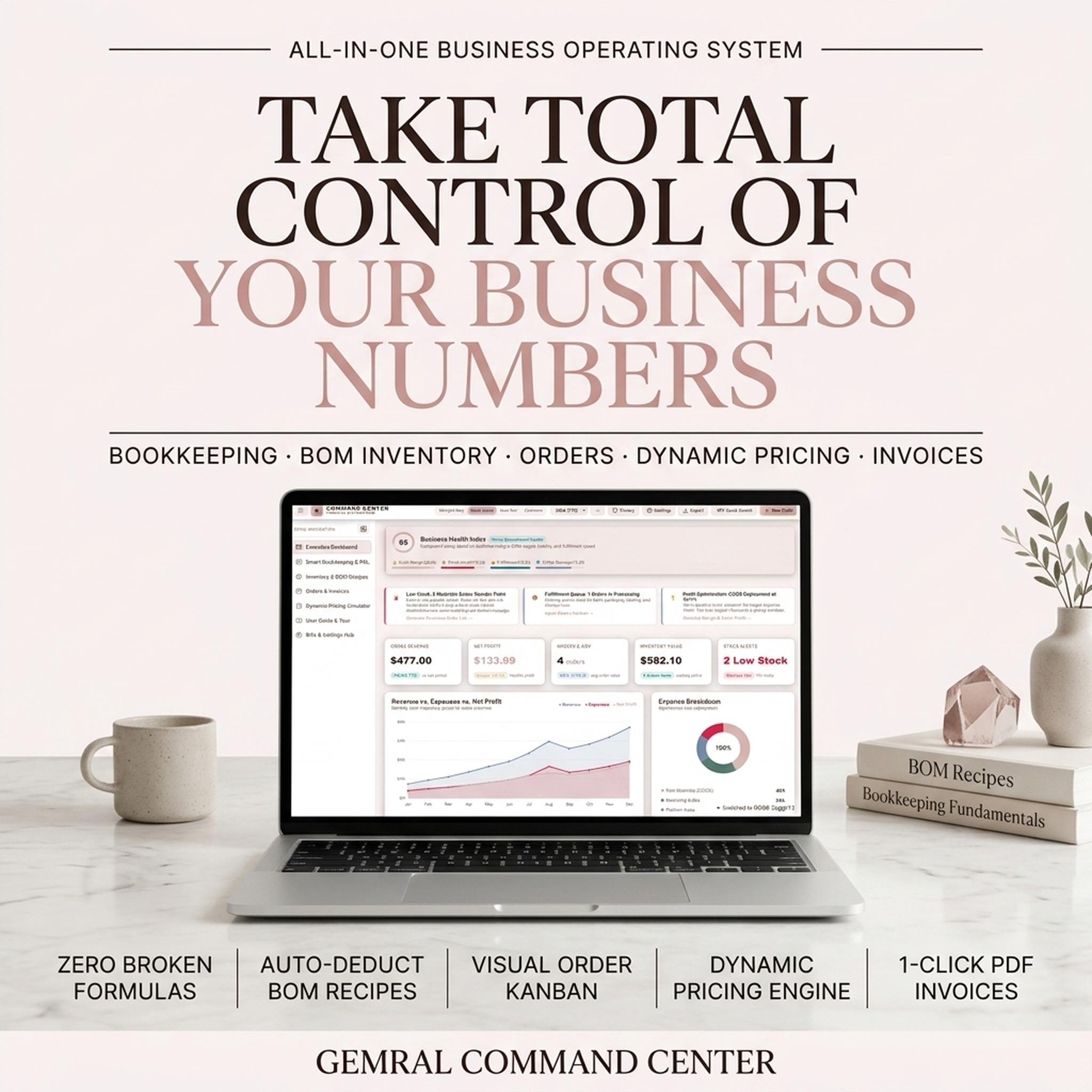
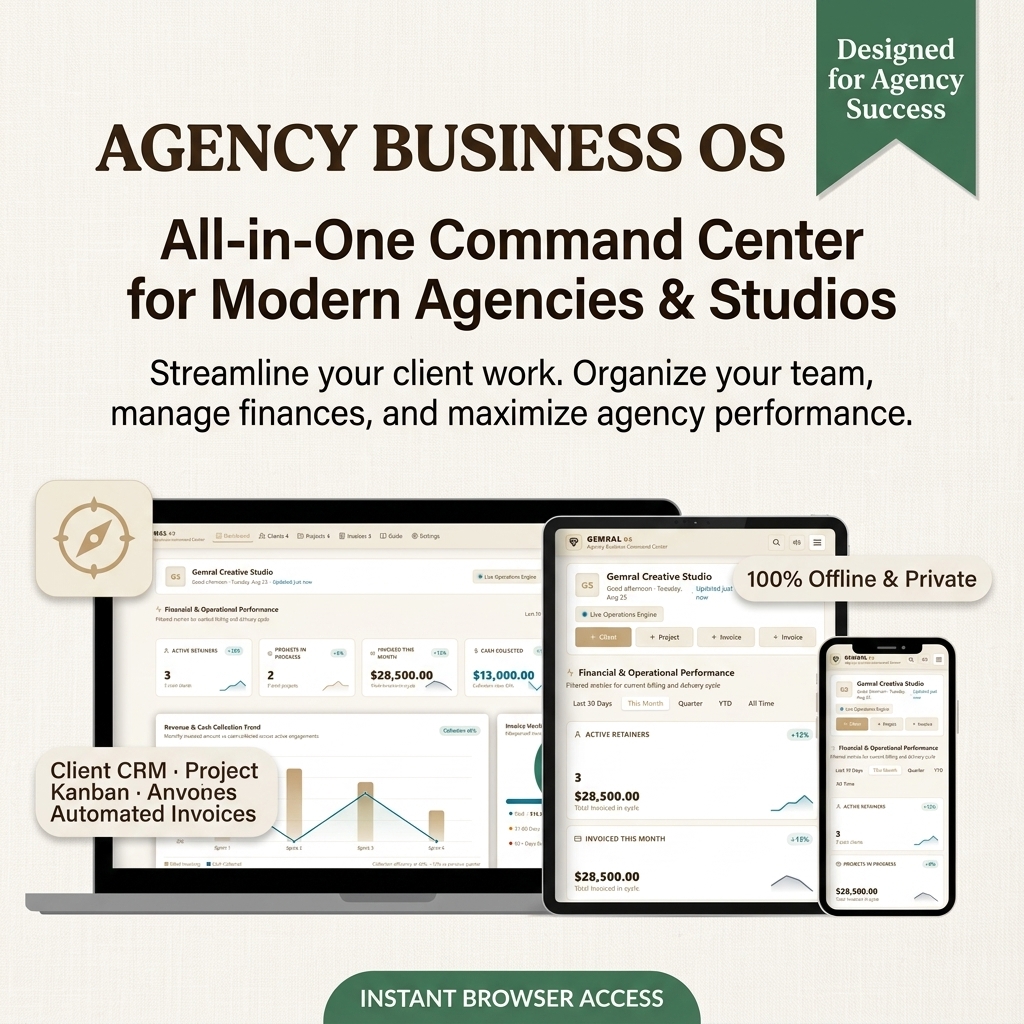
Corporate operators managing multiple teams can replicate this friction-free operational focus by utilizing structured tools such as the Small Business Command Center or the Agency Business OS to standardize repetitive administrative workflows.
4. Conventional Daily Routines vs. Steve Jobs' Minimalist Protocol
| Feature | The Conventional Corporate Routine | Steve Jobs' Ruthless Minimalist Routine |
|---|---|---|
| Morning Routine | Checking email in bed, 30 min choosing clothes | Mirror mortality audit, 30 seconds to dress in uniform |
| Meeting Culture | 10 people in conference rooms with PowerPoint | 1-on-1 walking meetings outdoors, zero slides |
| Product Portfolio | Dozens of mediocre SKUs chasing market segments | 4 distinct quadrant products (Desktop/Portable × Pro/Consumer) |
| Priority Setting | Long to-do lists containing 20+ conflicting goals | Top 3 Must-Win Battles; killing items #4 through #10 |
| Workspace Aesthetic | Cluttered desks, paper stacks, sensory overload | Bare white walls, pristine oak tables, zero distractions |
| Attitude Toward 'No' | Pleasing everyone, avoiding corporate friction | Saying 'No' to 1,000 good ideas to champion one great one |
As Jobs famously argued at WWDC 1997: "People think focus means saying yes to the thing you've got to focus on. But that's not what it means at all. It means saying no to the hundred other good ideas that there are. You have to pick carefully."
5. The Steve Jobs 2x2 Product Grid: The Legend of Ruthless Pruning
When Steve Jobs was brought back to Apple in 1997 following the NeXT acquisition, the company was approximately 90 days away from complete bankruptcy. Apple was producing dozens of convoluted hardware variations: Macintosh Performa 6400, Power Macintosh 7200, Quadra, and multiple confusing printer peripherals. Even Apple employees could not explain the difference between models.
During an infamous product strategy review, Jobs stood up, walked to a whiteboard, and drew a clean two-by-two matrix:
                          ┌──────────────┬──────────────┐
                          │   CONSUMER   │         PRO  │
          ┌───────────────┼──────────────┼──────────────┤
          │   DESKTOP     │     iMac     │   Power Mac  │
          ├───────────────┼──────────────┼──────────────┤
          │   PORTABLE    │    iBook     │  PowerBook   │
          └───────────────┴──────────────┴──────────────┘
Jobs looked at his executive staff and uttered his ultimatum:
"Stop! This is crazy. Here is what we need: four great computers. Two for consumers, two for pros; two desktops, two portables. Everything else is canceled."
By executing this ruthless pruning:
- Apple canceled over 70% of its active product lines within weeks.
- The company laid off over 3,000 employees working on fragmented, low-margin products.
- Apple consolidated its supply chain, turned a $1 billion loss into an immediate $309 million profit the following year, and freed up engineering talent to invent the iMac, OS X, and ultimately the iPod.
Entrepreneurs overwhelmed by expanding feature lists can apply this exact pruning discipline using the interactive decision modules inside the Steve Jobs Minimalist Decision Journal & Ruthless Prioritization Matrix.
6. The Top 3 Must-Win Battles: The Retreat Ritual
Every year, Jobs took his top 100 most influential employees—whom he called the "Top 100"—on an exclusive, secretive offsite retreat. The selection was based purely on impact rather than corporate title: if an engineer was indispensable to the next breakthrough, they replaced a vice president.
On the final day of the retreat, Jobs stood before a whiteboard and asked:
"What are the 10 things we should do next?"
The room debated intensely as Jobs wrote down the ten best suggestions. Then, in trademark theatrical fashion, Jobs crossed out the bottom seven items and declared:
"We can only do three. The rest are distractions."
┌──────────────────────────────────────────────────────────────────────────┐
│                   THE TOP 3 MUST-WIN BATTLE FRAMEWORK                    │
├──────────────────────────────────────────────────────────────────────────┤
│ 1. Brainstorm the Top 10 Candidate Initiatives                           │
│ 2. Force Rank by Strategic Leverage & Competitive Asymmetry              │
│ 3. Draw a Thick Red Line beneath Item #3                                 │
│ 4. Classify Items #4 through #10 as "ACTIVE THREATS" (Not backlogs)       │
│    └──> Why? Because they are good enough to tempt you to abandon #1-3   │
│ 5. Pour 90% of Organizational Capital into the Top 3 Objectives          │
└──────────────────────────────────────────────────────────────────────────┘
The psychological trap for ambitious leaders is rarely bad ideas; bad ideas are easily dismissed. The genuine threat to greatness is good ideas that dilute focus from the extraordinary few.
7. Walking Meetings & Sensory Immersion: The Kinesthetic Advantage
Jobs despised standard conference rooms, viewing slides as crutches for executives who lacked deep mastery of their material: "I hate the way people use slide presentations instead of thinking. People would confront a problem by creating a presentation. I wanted them to engage, to hash things out at the table, rather than show a bunch of slides. People who know what they're talking about don't need PowerPoint."
Instead, Jobs pioneered the executive walking meeting:
- Physical Movement Stimulates Blood Flow: Walking elevated oxygenation to the prefrontal cortex, enhancing problem-solving during heated debates.
- Side-by-Side Alignment: Walking side-by-side rather than facing each other across a desk converted adversarial conflict into collaborative problem exploration.
- Finite Duration: A walk around a Palo Alto neighborhood had an organic start and endpoint, preventing meetings from dragging on unnecessarily.
Strategic Topic Frameworks & Practical Connections
To deepen your practical mastery and build an integrated operational workflow within this topic, explore these complementary guides:
- Implement the execution protocols in Bill Gates Think Week Strategy & Yellow Pad Deep Reading Guide to systematically strengthen your foundational routine.
- Explore the strategic principles detailed in What is Founder Mode? Brian Chesky Hands-On Operations Guide for advanced optimization and mental clarity.
- Apply the structured methods from Charlie Munger Mental Models & Inversion Decision Matrix Guide to maintain long-term momentum and consistency.
Frequently Asked Questions
What was Steve Jobs' exact morning routine?
Steve Jobs typically woke at 6:00 AM, looked in the mirror to ask his signature mortality question ("If today were the last day of my life, would I want to do what I am about to do today?"), dressed in his identical uniform within thirty seconds, and worked for two hours in his home study on top priorities before heading into Apple headquarters.
Why did Steve Jobs wear the same black turtleneck every day?
Jobs wore an identical daily outfit (Issey Miyake black turtleneck, Levi's 501 jeans, and New Balance sneakers) to eliminate decision fatigue. Standardizing his wardrobe saved cognitive energy for crucial product and business decisions while establishing an iconic, focused personal brand.
How did Steve Jobs prioritize tasks and projects?
Jobs used extreme elimination. His two most famous prioritization tools were the 2x2 Product Grid (slashing Apple's product line from dozens of models down to four distinct quadrants) and the Top 3 Rule (identifying ten great opportunities and ruthlessly crossing out seven to focus exclusively on three).
What are walking meetings and why did Jobs prefer them?
Walking meetings were 1-on-1 or small group discussions conducted while walking outdoors around Palo Alto or Apple's campus. Jobs preferred them because walking stimulated creative thought, eliminated the crutch of PowerPoint slides, and fostered direct, unfiltered communication.
How can I apply Steve Jobs' minimalist principles to my business?
Begin by conducting an honest audit of your offerings: eliminate underperforming products or services that distract your team, identify your Top 3 Must-Win Battles for the quarter, ban slide presentations in favor of real conversation, and protect an uncompromised two-hour solitary creative block every morning.
Explore verified real-time macro telemetry, market catalysts, and capital flow intelligence.
Consumer hardware market analysis evaluating spatial computing form factors, display silicon supply chains, and customer ecosystem lock-in.
Tools featured in this guide
Steve Jobs Minimalist Decision Journal & Ruthless Prioritization Matrix
Master radical simplicity with the Morning Mirror routine, Steve Jobs 2x2 Focus Matrix, Top 3 of 10 Elimination Rule, and Cognitive Energy Budget.
$22.99₫499,000
Small Business Command Center & Inventory Bookkeeping
All-in-one operating system for product makers, boutiques, and sellers to manage inventory, BOM costs, orders, and P&L.
$29₫629,000
Agency Business OS & Interactive Client Portal
The all-in-one command center for creative agencies and boutique studios to manage clients, retainers, and billing.
$39₫849,000
Guides in this Topic
View all (15) →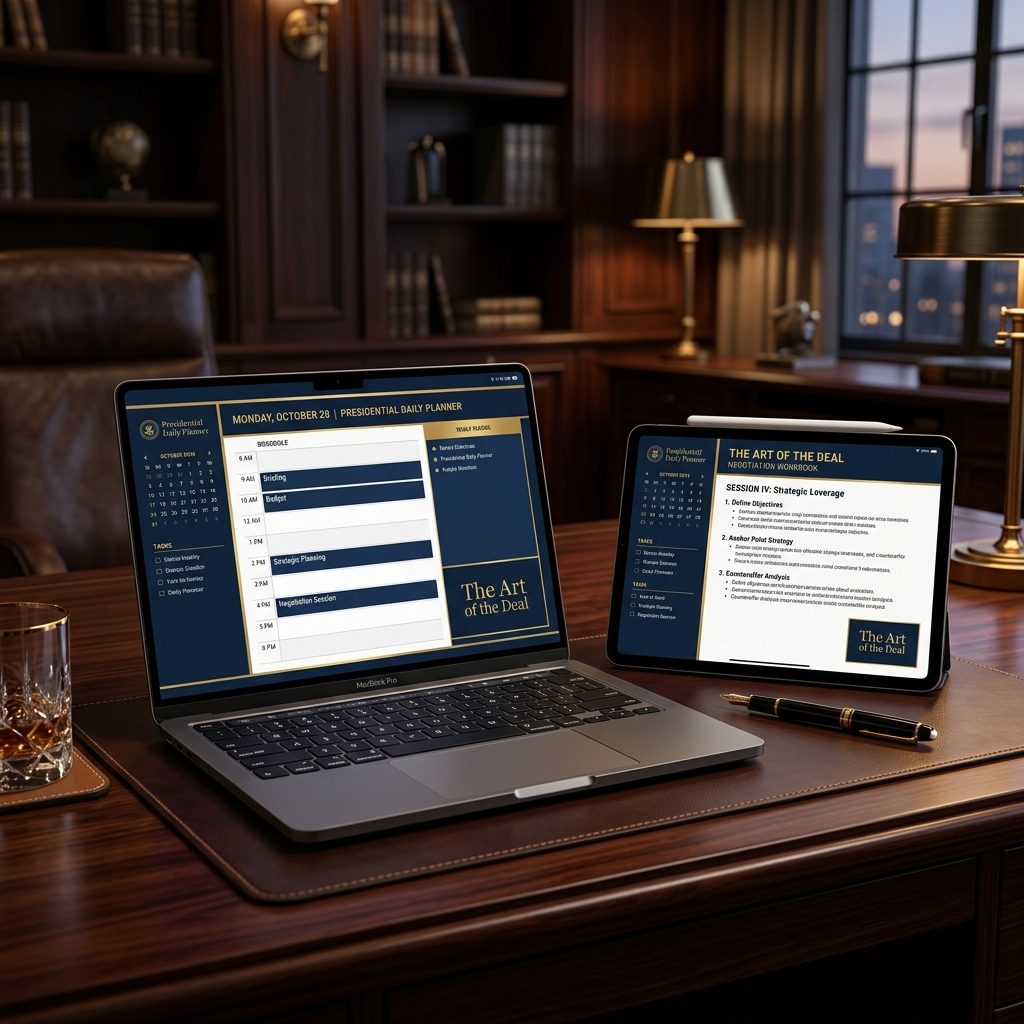 Executive Leadership & Negotiation Strategy
Donald Trump Daily Schedule: 4-Hour Sleep & Art of the Deal System
Deconstruct the Donald Trump daily schedule, 4-hour sleep routine, timebox system, and Art of the Deal negotiation strategies for peak productivity.
Read guide Executive Leadership
Jensen Huang Daily Routine & Flat Organization Management Framework
Inside the Jensen Huang daily routine and Nvidia flat org model. Learn 5:00 AM mornings, zero 1-on-1 meeting rules, and executive priority planning.
Read guide Executive Strategy & Lean Operational Architecture
Mark Zuckerberg Year of Efficiency: Lean Operations Playbook Guide
Master Mark Zuckerberg's Year of Efficiency playbook: organizational flattening, lean operational agility, and engineering operating systems.
Read guide Executive Leadership & Startup Strategy
What is Founder Mode? Brian Chesky Hands-On Operations Guide
Discover what Founder Mode is, how Brian Chesky operates Airbnb, why traditional manager mode fails, and how to run a high-craft flat organization.
Read guide Entrepreneurship & Executive Productivity
Mark Cuban Shark Tank Productivity Rules: The Effort Metric, No-Meeting Discipline & Business Decision Framework
Master Mark Cuban's Shark Tank productivity rules. Discover the effort metric, asynchronous email discipline, and ruthless business decision frameworks.
Read guide Executive Productivity & Frontier AI Strategy
Sam Altman Daily Routine: Unreasonable Conviction & AI Workflow Guide
Explore the Sam Altman daily routine, unreasonable conviction philosophy, high-leverage calendar architecture, and autonomous AI pipeline workflows.
Read guide
Topic Pillar
Leadership & Mental Models
High-stakes decision frameworks, first-principles reasoning, and executive operational mastery.
Ask Yinyang Masters inside your AI assistant
Get the same calculations and guidance right in your chat: add the free Yinyang Masters app, then ask in plain English. No account needed.
Try asking: “Find a Yinyang Masters guide about starting a daily spiritual practice.”