



ADHD Dopamine Menu & Executive Dysfunction Routine Guide

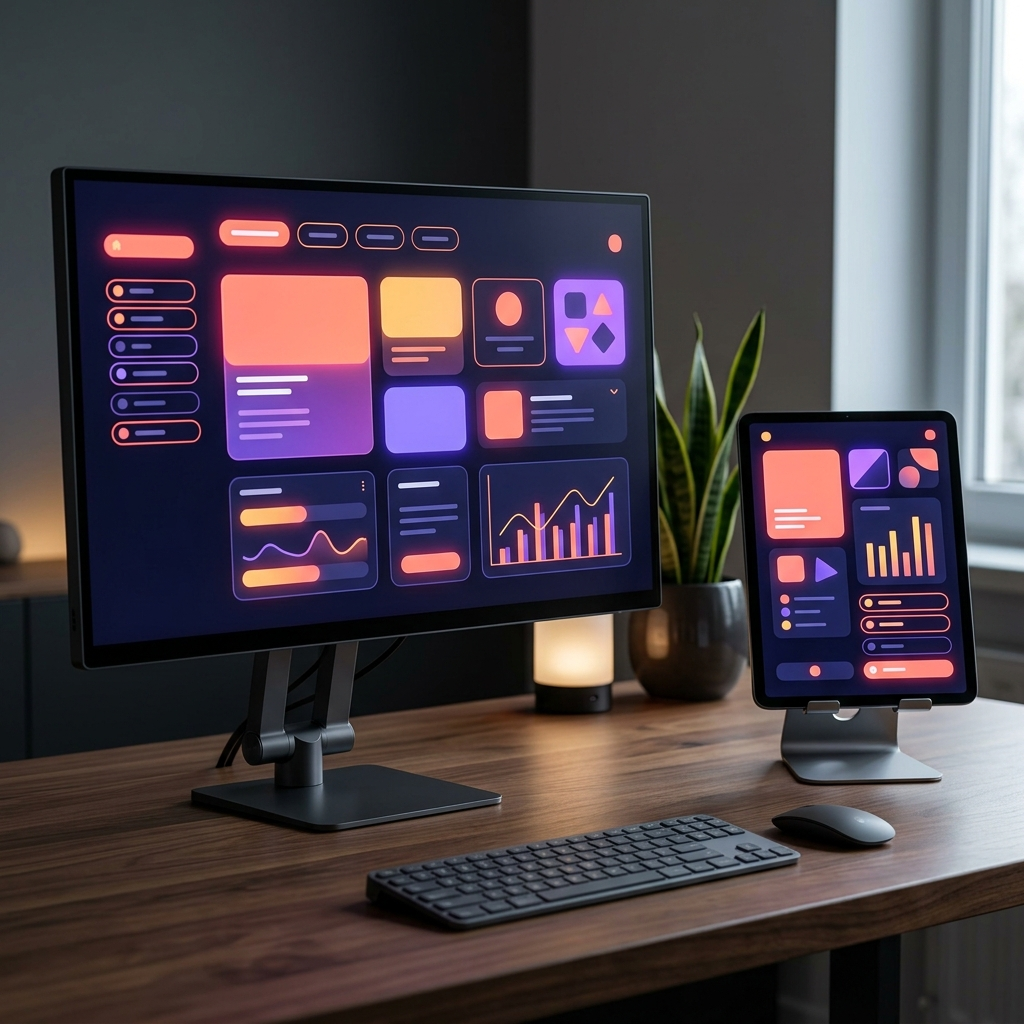
An ADHD dopamine menu is a curated psychological menu of neurochemical stimulation strategies designed to bypass executive dysfunction and task paralysis by categorizing healthy dopamine sources into Appetizers, Entrees, Sides, and Desserts to sustainably recharge focus and motivation throughout the day.
For neurodivergent individuals and adults grappling with Attention Deficit Hyperactivity Disorder (ADHD), the fundamental operational challenge is not a lack of willpower, knowledge, or discipline. Rather, it is a chronic biological deficit in dopamine transmission and norepinephrine regulation within the prefrontal cortex. When brain chemistry dips below baseline, the nervous system locks into "ADHD paralysis"—a state of cognitive freeze where starting even simple, essential tasks feels physically insurmountable.
Conventional productivity advice like "just make a to-do list" or "use sheer discipline" fails neurodivergent brains because it relies on the exact cognitive executive functions that are currently depleted. The Dopamine Menu (or Dopamenu) transforms dopamine foraging from an erratic, destructive habit (like compulsive doomscrolling or binge snacking) into an intentional, highly accessible operating system.
1. What is Executive Dysfunction & The Dopamine Deficit?
Executive dysfunction describes the acute impairment of goal-directed cognitive processes managed by the brain's frontal lobe. In adult ADHD and chronic burnout states, the brain struggles with:
┌────────────────────────────────────────────────────────────────────────┐
│                   THE NEURODIVERGENT PARALYSIS CYCLE                   │
├────────────────────────────────────────────────────────────────────────┤
│ 1. Dopamine Depletion  ──► Baseline neurochemistry drops below threshold│
│ 2. Task Paralysis      ──► Executive cortex cannot initiate action     │
│ 3. Cheap Dopamine Trap ──► Compulsive reach for TikTok/Instagram/Sugar │
│ 4. Guilt & Shame Spiral──► Amplified stress, higher executive friction │
└────────────────────────────────────────────────────────────────────────┘
- Activation Deficit: The inability to initiate action even when the individual genuinely desires to begin.
- Working Memory Lapses: Dropping multi-step instructions and losing temporal awareness (often referred to as "time blindness").
- Emotional Dysregulation: Frustration and overwhelm triggered by ambiguous tasks with undefined scopes.
- Cheap Dopamine Seeking: Impulsive gravitation toward hyper-stimulating digital feeds that offer instant gratification without sustained neurological replenishment.
By creating a concrete, pre-decided menu of sensory and behavioral stimuli, you eliminate the cognitive load of deciding what to do when your brain is least equipped to decide.
2. Anatomy of the Dopamine Menu: The 4 Core Courses
A comprehensive Dopamine Menu structures healthy stimulating activities like an upscale restaurant menu, categorizing actions by time commitment, energy expenditure, and contextual suitability:
| Menu Course | Time & Effort Commitment | Functional Purpose | Typical Practical Examples |
|---|---|---|---|
| Appetizers (Starters) | 5 to 10 minutes (Low Energy) | Rapid cognitive warm-up to break initial task paralysis | 5-minute sun exposure walk, cold water splash, making herbal tea, brief mobility stretch |
| Entrees (Main Dishes) | 30 to 90 minutes (High Energy) | Deep, sustained dopamine replenishment and creative flow | Weightlifting session, immersive hobby painting, long nature hike, playing musical instrument |
| Sides (Complements) | 0 additional minutes (Passive) | Ambient sensory stimulation paired with boring shallow tasks | Listening to lofi/binaural beats, using a weighted lap pad, fidget spinners, desk walking pad |
| Desserts (Indulgences) | Bounded & Timed (Caution) | High-reward treats requiring strict guardrails against bingeing | Video games, scrolling social feeds, watching an episode of anime, specialty pastries |
| Specials (Rare Treats) | Occasional / Seasonal (High Impact) | Major anticipated milestones that keep forward momentum alive | Weekend camping trip, booking concert tickets, spa day, trying a new Michelin restaurant |
Appetizers: Lowering the Kinetic Friction of Action
Appetizers are quick micro-actions designed to elevate resting heart rate and sensory awareness. When frozen at your desk, attempting an Entree (like a 60-minute gym workout) triggers immediate resistance. An Appetizer (like stepping onto your balcony for five minutes of direct sunlight) provides just enough neurochemical ignition to transition into your work session.
Entrees: Deep Soul Nourishment
Entrees represent the heavy-lifting activities that restore baseline dopamine reserves over hours. Unlike short-lived dopamine spikes from smartphone notifications, Entrees demand physical, social, or creative engagement that stabilizes your emotional baseline for days.
Sides: Sensory Layering for Low-Dopamine Tasks
Neurodivergent individuals often experience "under-stimulation" during mundane obligations like spreadsheet data entry, folding laundry, or compiling business receipts. Sides provide ambient sensory input—such as instrumental soundtracks or sensory fidget tools—satisfying the brain's craving for novelty without hijacking focused attention.
To structure and customize these courses into a persistent interactive visual workstation, explore the ADHD Dopamine Menu Interactive Board & Executive Dysfunction Routine Tracker.
3. How to Build and Operationalize Your Personal Dopamine Menu
Engineering a functional dopamine menu requires intentionality and environmental design. Follow these four foundational implementation rules:
[1. Inventory True Joy] ──► [2. Classify by Energy] ──► [3. Place Visual Triggers] ──► [4. Build Friction for Desserts]
- Conduct an Exhaustive Dopamine Audit: Over a 7-day period, log every activity that leaves you feeling genuinely refreshed rather than numb. Strip out superficial coping mechanisms that induce guilt.
- Sort Actions by Friction and Availability: Categorize each item into Appetizers, Entrees, Sides, and Desserts. Ensure you have indoor, rainy-day, and zero-budget options readily available.
- Establish Ubiquitous Environmental Visibility: An invisible menu is a useless menu. The ADHD brain operates on an "out of sight, out of mind" paradigm. Display your menu as a physical desktop whiteboard, laminated index card, or pinned interactive dashboard.
- Enforce Boundary Guards on Desserts: Desserts are not inherently forbidden, but they require structural boundaries. Never consume Desserts during work transitions without a physical alarm timer set in another room.
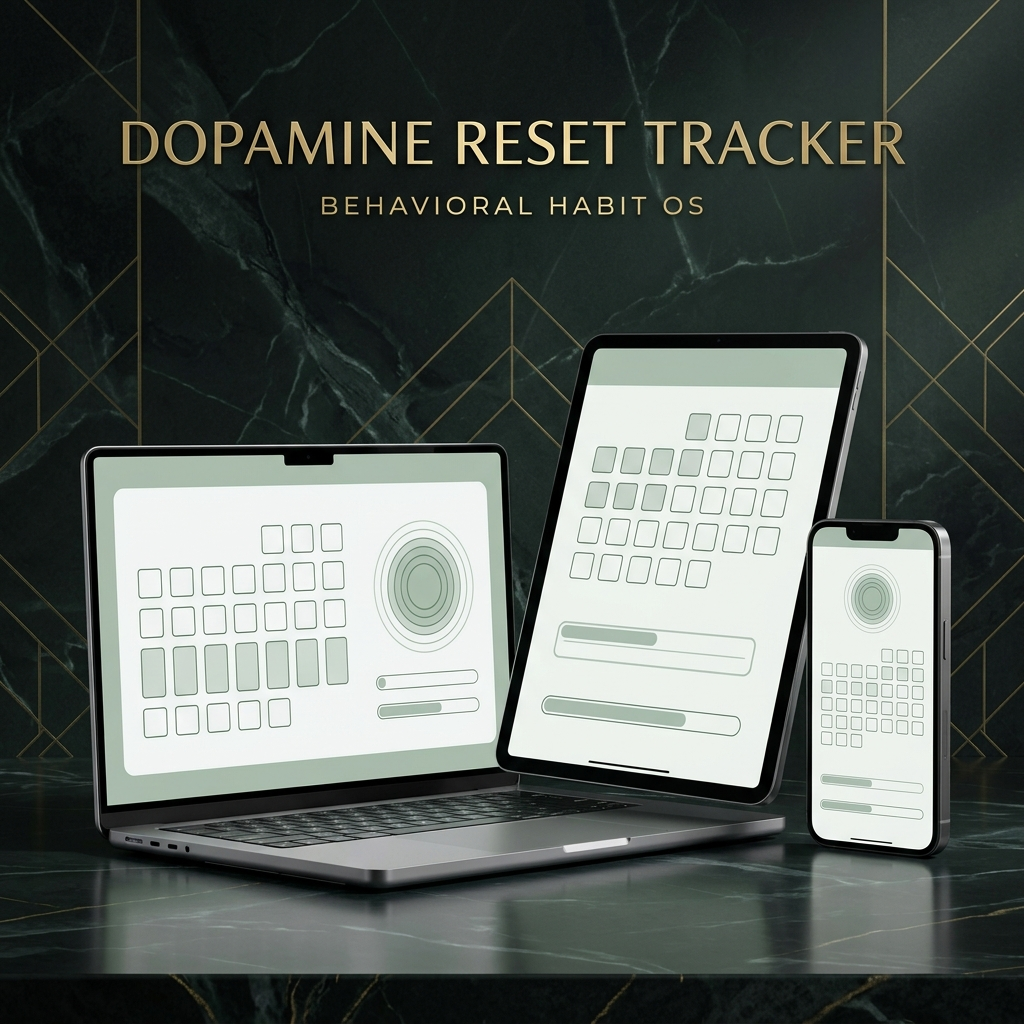
Those seeking a systematic, full-month protocol to detoxify from hyper-stimulating digital media and recalibrate baseline sensitivity can integrate the 30-Day Dopamine Reset Habit Tracker.
4. Comparing Coping Strategies: Dopamine Menu vs. Primitive Willpower
| Operational Metric | Primitive Willpower ("Grind It Out") | Intentional Dopamine Menu Strategy |
|---|---|---|
| Neurological Approach | Forces frontal cortex activation through self-criticism | Fuels neurochemistry before demanding cognitive execution |
| Response to Task Paralysis | Increases shame, compounding paralysis | Deploys low-friction Appetizers to initiate momentum |
| Sustainability | Rapid emotional burnout and afternoon collapse | Stable, sustainable energy distribution throughout the day |
| Handling Distraction | White-knuckle restriction (inevitably relapsing) | Strategic sensory layering using Sides and bounded Desserts |
| Time Management Fit | Fragile linear to-do checklists | Synergistic with Cal Newport Deep Work Time-Blocking |
Strategic Topic Frameworks & Practical Connections
To deepen your practical mastery and build an integrated operational workflow within this topic, explore these complementary guides:
- Implement the execution protocols in Andrew Huberman Morning Sunlight & Dopamine Protocol Guide to systematically strengthen your foundational routine.
- Explore the strategic principles detailed in Arnold Schwarzenegger 'Sleep Faster' Workout & 6 Rules Guide for advanced optimization and mental clarity.
- Apply the structured methods from Atomic Habits Habit Stacking & 2-Minute Rule Guide to maintain long-term momentum and consistency.
5. Frequently Asked Questions (FAQ)
What is the origin of the Dopamine Menu concept?
The Dopamine Menu concept was originally developed by content creator Eric Tivers and popularized extensively across neurodivergent communities by YouTuber Jessica McCabe (How to ADHD) and clinical ADHD coaching frameworks to help individuals deliberately satisfy their brain's stimulation needs without falling into compulsive digital distraction traps.
Does a Dopamine Menu cure ADHD?
No. ADHD is a chronic neurodevelopmental condition involving structural and neurochemical differences in the brain. A Dopamine Menu is an external scaffolding tool that manages symptoms and executive dysfunction; it does not alter underlying genetics or replace professional clinical support and prescribed medication protocols.
How do I use a Dopamine Menu when I am too paralyzed to read it?
When acute paralysis strikes, eliminate all textual decision-making. Keep your top three "Emergency Appetizers" represented as bold physical symbols or placed directly within your eye line (e.g., a kettle on your desk or walking shoes by the door). Commit only to completing the single simplest physical action for 60 seconds.
How is a Dopamine Menu different from a standard to-do list?
A to-do list catalogs external demands, obligations, and deliverables that deplete cognitive energy. A Dopamine Menu catalogs replenishing, dopamine-generating activities designed to recharge cognitive reserves so you can tackle those deliverables.
Research & References
For comprehensive editorial standards and health/financial disclaimers, view our Editorial Policy.
Tools featured in this guide
ADHD Dopamine Menu Interactive Board & Executive Dysfunction Routine Tracker
Transform task initiation paralysis into effortless momentum with the viral Dopamine Menu system, 100% offline single-file interactive web workspace.
$24.99₫549,000
30-Day Dopamine Reset & Habit Tracker | Interactive Neuro-Detox App
Rebuild your focus in 30 days: a dopamine menu, daily habit tracking and gentle screen-time resets in one private interactive file.
$24.99₫549,000
Cal Newport Deep Work Time-Block Planner & Focus Block Dashboard
The definitive single-file interactive workspace engineered for uncompromising cognitive focus, 30-minute time-blocking, distraction isolation, and elite mental output.
$24.99₫549,000
Guides in this Topic
View all (26) →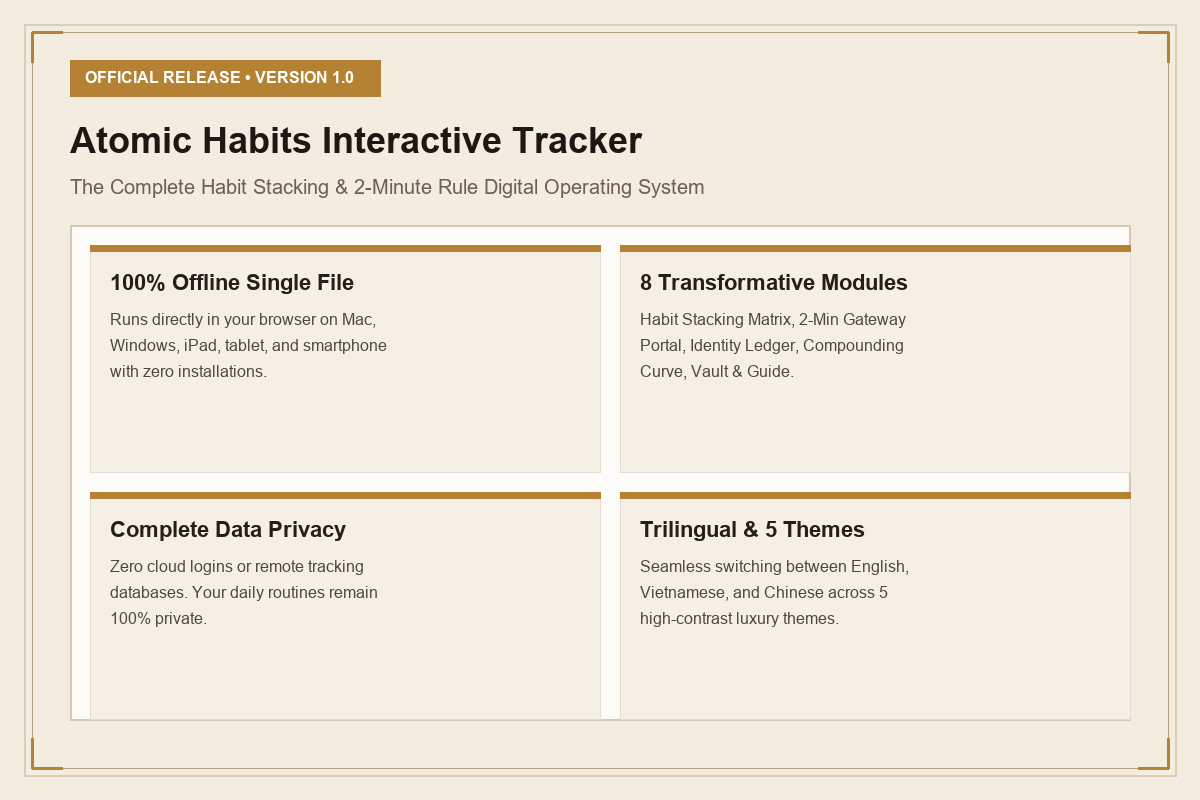 Personal Productivity & Habit Architecture
Atomic Habits Habit Stacking & 2-Minute Rule Guide
Master James Clear's habit stacking technique and 2-minute rule to build consistent routines, break procrastination, and scale personal productivity.
Read guide Longevity Architecture & Biohacking Systems
Bryan Johnson Blueprint Routine: The Autonomous Health & Biomarker Protocol Guide
Explore the Bryan Johnson Blueprint routine: 100+ biomarker tracking, sleep architecture, 11:00 AM meal window, and data-driven longevity systems.
Read guide Cognitive Performance
30-Day Dopamine Detox Challenge & Dopamine Menu Framework
Transform mental focus with actionable dopamine detox rules. Build your personalized dopamine menu, reduce digital friction, and track 30-day habit resets.
Read guide Personal Productivity & Cognitive Reframing
The 5 Second Rule & Mel Robbins Countdown Protocol Guide
Master Mel Robbins' 5 Second Rule and 5-4-3-2-1 countdown technique to conquer procrastination, awaken prefrontal cortex action, and build momentum.
Read guide habits
75 Hard Challenge Rules: The Ultimate Daily Tracking & Anti-Reset Guide
Master 75 Hard rules: two 45-min workouts, water intake schedule, 75 Soft alternative, and anti-reset daily habit tracking system.
Read guide wellness
75 Soft Challenge Rules: Dopamine Reset Habit Guide
Discover 75 Soft Challenge rules. Master dopamine reset protocols, mindful daily workouts, hydration targets, and non-restrictive habit tracking.
Read guide
Topic Pillar
Discipline & Daily Habits
Frameworks, routines, and systems for relentless consistency, morning discipline, and mental fortitude.
Ask Yinyang Masters inside your AI assistant
Get the same calculations and guidance right in your chat: add the free Yinyang Masters app, then ask in plain English. No account needed.
Try asking: “Build me a 30-day morning habit stack.”