



The 1-3-5 Rule Daily Task Matrix: Anti-Overwhelm Focus & Productivity Guide

The 1-3-5 rule is a realistic task-prioritization framework stipulating that an individual can reliably accomplish only one major project, three medium tasks, and five small chores in a single working day. By strictly capping daily commitments to nine structured items, it eliminates overwhelm, protects cognitive focus, and delivers meaningful daily progress.
Conventional endless to-do lists are psychological traps. By encouraging individuals to accumulate dozens of unranked tasks, traditional task managers induce chronic guilt, decision fatigue, and scattered busyness. People end up crossing off ten trivial errands while ignoring the single consequential breakthrough project that actually moves their business or life forward.
This operational guide details the psychological principles behind capped daily capacity, provides tactical criteria for classifying tasks into 1-3-5 buckets, and illustrates how to design an anti-overwhelm workflow.
Deconstructing the 1-3-5 Hierarchy
The power of the 1-3-5 rule lies in its rigid, uncompromising mathematical boundaries. On any given calendar day, your commitments are strictly allocated across three defined tiers:
                  ┌───────────────────────────────┐
                  │       1 BIG CRITICAL THING    │
                  │ (Requires deep focus & energy)│
                  └───────────────┬───────────────┘
                                  │
                  ┌───────────────┴───────────────┐
                  │       3 MEDIUM PRIORITY TASKS │
                  │  (Core project deliverables)  │
                  └───────────────┬───────────────┘
                                  │
                  ┌───────────────┴───────────────┐
                  │       5 SMALL QUICK WINS      │
                  │ (Administrative chores / ops) │
                  └───────────────────────────────┘
1. The One Big Thing (1 Core Task)
This is your needle-mover. It requires two to three hours of uninterrupted, high-cognitive deep work. Examples include drafting a complex contract, architecting a database schema, writing a strategic proposal, or recording a key presentation. If you accomplish only this single item today, your day was an undeniable success.
2. The Three Medium Tasks (3 Supporting Tasks)
These are substantial operational duties that take between 30 and 60 minutes each. They keep ongoing initiatives healthy without draining your peak mental energy. Examples include conducting a client onboarding review, resolving a set of bug tickets, or analyzing monthly marketing data.
3. The Five Small Tasks (5 Quick Wins)
These are minor administrative chores requiring 5 to 15 minutes each. They prevent operational friction from building up. Examples include paying an invoice, scheduling a dentist appointment, answering a non-urgent email, or signing a compliance form.
Tactical Rules for Daily 1-3-5 Execution
To maximize the efficacy of this framework, observe these four core execution protocols:
- Select Tomorrow Tasks the Night Before: Never begin your workday staring at a blank screen wondering what to tackle. Formulate your 1-3-5 slots before shutting down your workstation in the evening.
- Execute the '1 Big Thing' Before 11:00 AM: Guard your morning peak biological energy. Complete your major deliverable before opening social media feeds or entering reactive chat channels.
- Leave 1 Medium and 2 Small Slots Unassigned: Unexpected operational crises will inevitably emerge during the workday. Intentionally reserving buffer slots prevents external surprises from derailing your planned schedule.
- Resist the Urge to Add a Second 'Big' Task: If you complete your 1-3-5 early, celebrate the victory, invest in rest, study, or plan tomorrow. Forcing another massive project creates cognitive fatigue.
Endless To-Do Lists vs. The 1-3-5 Structured Method
The matrix below contrasts the cognitive consequences of traditional task dumping with the intentional clarity of the 1-3-5 system:
| Productivity Dimension | Traditional Infinite To-Do List | The 1-3-5 Prioritization Rule |
|---|---|---|
| Daily Item Count | 20 to 50 open-ended tasks | Strictly capped at exactly 9 items |
| Cognitive Friction | Constant decision paralysis on what to do next | Immediate clarity on the single morning focal point |
| End-of-Day Psychology | Chronic guilt over remaining uncrossed items | High sense of closure and earned relaxation |
| Handling Distractions | Urgent trivial requests derail entire schedule | Minor requests are slotted into the 5 small slots |
| Execution Consistency | Cyclical overwork followed by burnout collapse | Sustainable daily compound momentum |
Dedicated Task Management & Execution Workspaces
To organize your daily commitments within an intuitive, distraction-free environment, adopt these specialized digital tools:
- Structure your daily focus and track completion streaks with the offline 1-3-5 Rule Daily Task Matrix & Anti-Overwhelm Focus Dashboard.
- Cultivate a continuous learning culture across your team with the Learn-It-All Growth Mindset Execution System.
- Build dawn habit discipline and relentless stamina using the Mamba Mentality Relentless Discipline Tracker.
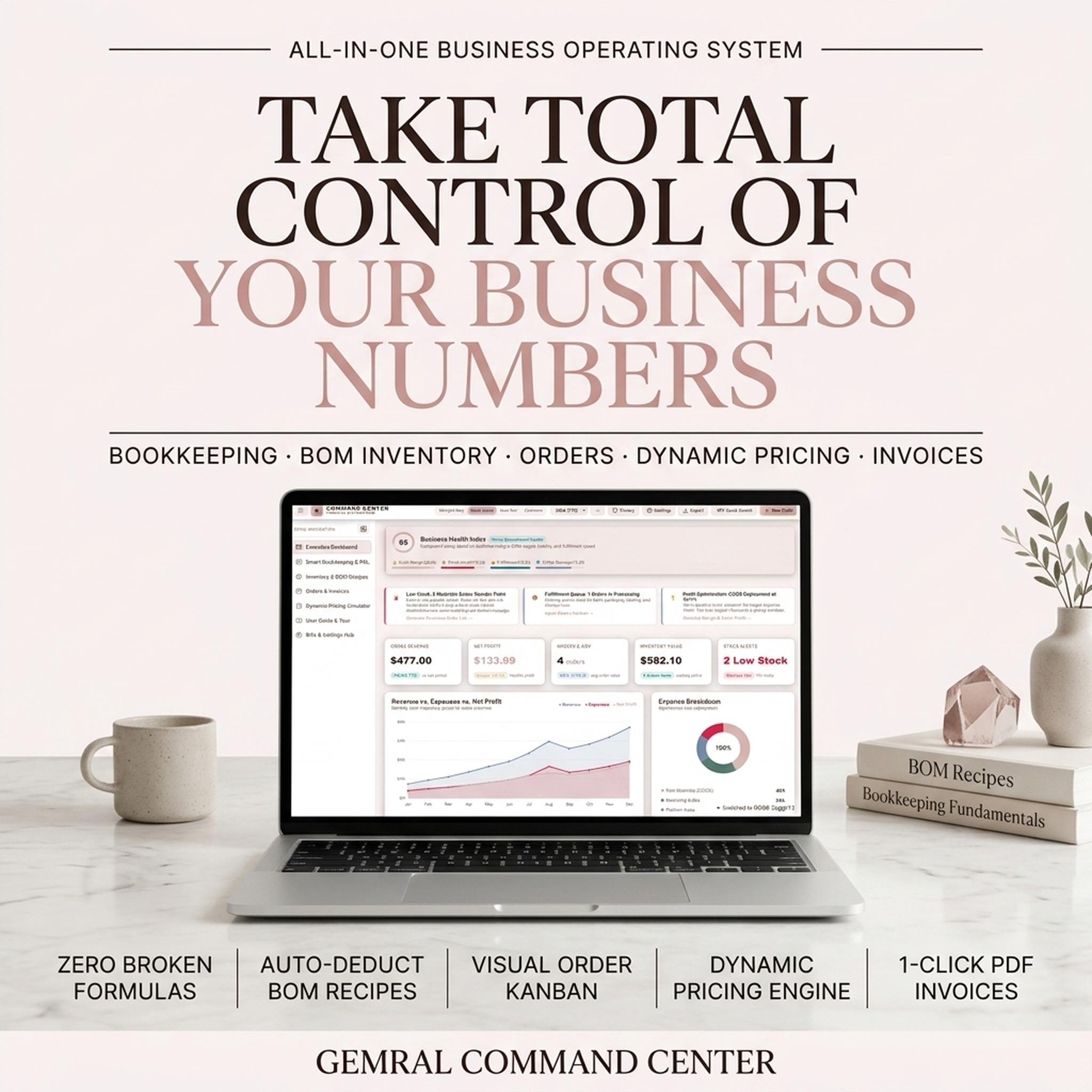
- Streamline company-wide workflows and project backlogs via the comprehensive Small Business Command Center.
Strategic Topic Frameworks & Practical Connections
To deepen your practical mastery and build an integrated operational workflow within this topic, explore these complementary guides:
- Implement the execution protocols in Second Brain Productivity System: The Ali Abdaal & Tiago Forte Creator OS Guide to systematically strengthen your foundational routine.
- Explore the strategic principles detailed in Andy Grove High Output Management & OKR Goal Planning Guide for advanced optimization and mental clarity.
- Apply the structured methods from Cal Newport Deep Work & Time-Blocking Planner Guide to maintain long-term momentum and consistency.
Frequently Asked Questions
What happens if I fail to finish my '1 Big Thing'?
If an unforeseen emergency prevents you from completing your big task, evaluate why. If it was too sprawling, break it down into smaller sub-components and carry the primary chunk over to tomorrow 1 slot. Do not penalize yourself emotionally.
Can personal and professional tasks mix in the 1-3-5 rule?
Yes. Many high-performers designate the 1 Big Thing for their business, 2 medium tasks for work and 1 for personal health, and divide the 5 small slots between administrative emails and household errands.
Why exactly nine tasks?
Cognitive psychological research indicates that working memory and daily decision capacity degrade sharply after eight to ten complex choices. Capping commitments at nine items respects human biological limits while ensuring steady forward momentum.
How do I handle tasks that take less than five minutes?
Batch them together. Five micro-tasks (like replying to three short text messages) can be grouped into a single 'Small Task' slot, preserving your slots for distinct operational actions.
Disclaimer: This guide is prepared for personal time-management and operational productivity education. Individual workflow requirements vary depending on corporate role and industry context.
Tools featured in this guide
1-3-5 Rule Daily Task Matrix Planner and Priority Timeblock System
$29.99₫659,000
Satya Nadella Learn-It-All Growth Mindset Execution System & Executive Daily Matrix
$24.99₫549,000
Kobe Bryant Mamba Mentality 4:00 AM Relentless Discipline Tracker & Daily Excellence Dashboard
$27.99₫609,000
Small Business Command Center & Inventory Bookkeeping
All-in-one operating system for product makers, boutiques, and sellers to manage inventory, BOM costs, orders, and P&L.
$29₫629,000
Guides in this Topic
View all (23) → productivity
Andy Grove High Output Management & OKR Goal Planning Guide
Master Andy Grove's High Output Management principles and OKR goal setting. Learn how the Intel CEO designed high-leverage organizational systems.
Read guide productivity
Marie Kondo Digital Declutter & Spark Joy Workspace Guide
Master Marie Kondo's routine for digital decluttering. Clear desktop chaos, reach inbox zero, and curate an intentional, spark-joy digital workspace.
Read guide Mindset & Productivity Systems
Flowmodoro Technique: Deep Work Flow State Timer, Ratio Rules & Anti-Burnout Guide
Master the Flowmodoro technique to enter unbroken deep work flow states. Learn the stopwatch count-up protocol, 1:5 break ratios, and anti-burnout rules.
Read guide Leadership & Purpose Frameworks
Simon Sinek Start With Why & Golden Circle Purpose Guide
Master Simon Sinek's Start With Why and Golden Circle framework. Discover your core purpose, define guiding principles, and pass the Celery Test.
Read guide Executive Leadership & Effectiveness Architecture
The 7 Habits of Highly Effective People by Stephen Covey: Complete Architecture Guide
Master the 7 Habits of Highly Effective People: Stephen Covey time management matrix, Quadrant 2 focus, private vs public victory, and weekly planning.
Read guide- Executive Productivity & Lifestyle Design Architecture
The 4-Hour Workweek by Tim Ferriss: Productivity Automation & Lifestyle Design Guide
Master The 4-Hour Workweek: DEAL framework, 80/20 Pareto elimination, automation systems, virtual assistants, and escape 9-to-5 corporate slavery.
Read guide
Topic Pillar
Productivity & Deep Work
Time-blocking, personal operating systems, Second Brain architecture, and cognitive optimization.
Ask Yinyang Masters inside your AI assistant
Get the same calculations and guidance right in your chat: add the free Yinyang Masters app, then ask in plain English. No account needed.
Try asking: “Find a Yinyang Masters guide about starting a daily spiritual practice.”