



The Modern Freelancer & Boutique Agency Business Operating System


The journey from solo freelancer to boutique digital agency is one of the most rewarding entrepreneurial transitions. Yet, over 65% of emerging service businesses plateau or burn out within their first three years. The root cause is rarely a lack of talent or market demand; it is the chaotic friction of operating without a centralized business operating system.
When an agency relies on fragmented tools—one app for project management, another for client messaging, a spreadsheet for invoice tracking, and sticky notes for lead follow-ups—operational debt accumulates rapidly. Billable hours are lost to administrative overhead, deliverables slip past deadlines, and cash flow becomes unpredictable.
This handbook outlines the essential operational architecture required to run a high-margin freelance practice or digital agency with clarity, privacy, and scalable efficiency.
1. The Core Modules of a Service Business OS
A comprehensive agency operating system unifies five indispensable functional areas into a cohesive, interactive workspace:
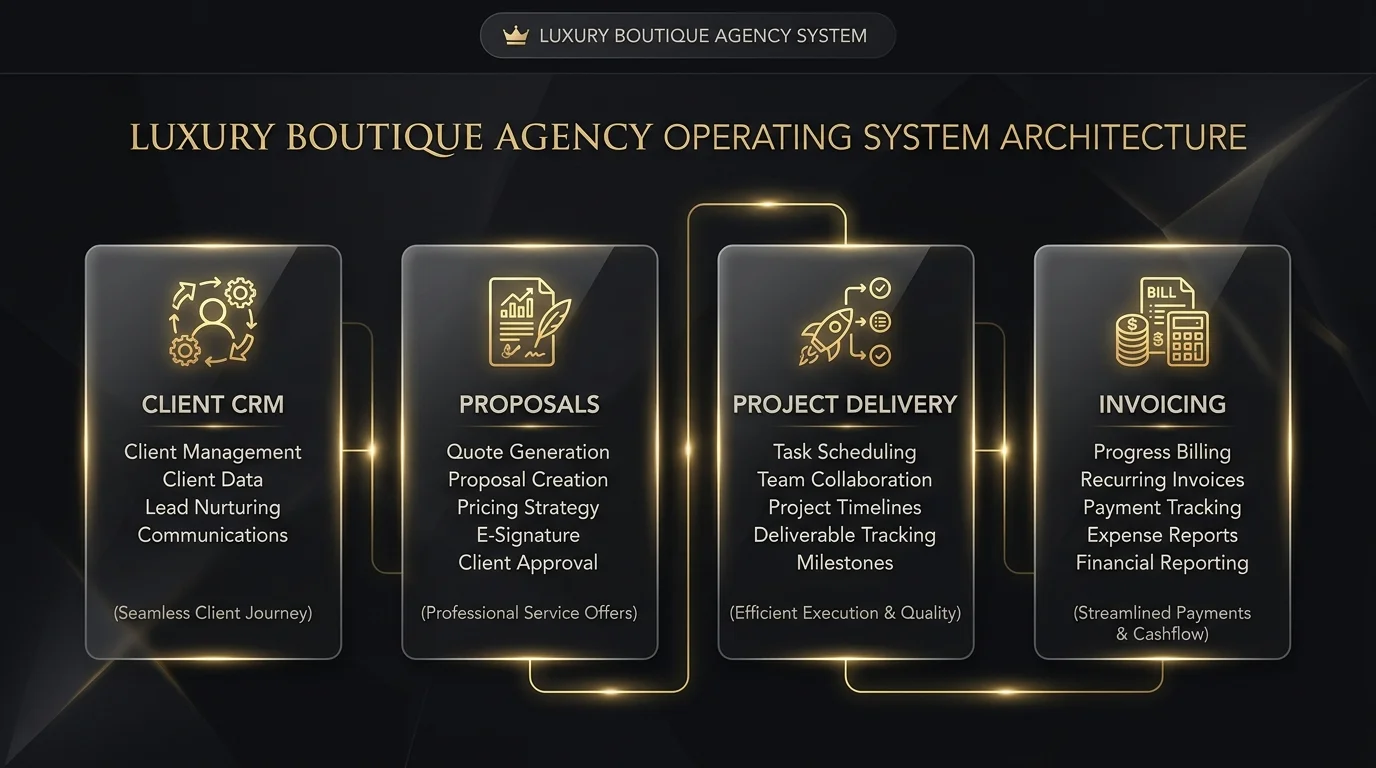
- Client Relationship Management (CRM): Maintaining organized client records, contract statuses, key contacts, and historical communication logs.
- Project Roadmap & Milestone Tracking: Monitoring active client sprints, delivery timelines, and task dependencies without overwhelming complexity.
- Invoicing & Accounts Receivable: Tracking invoiced amounts, due dates, outstanding balances, and payment collections.
- Retainer & Recurring Revenue Management: Forecasting monthly predictable cash flow from ongoing retainer agreements.
- Operational Knowledge & SOP Storage: Documenting client onboarding sequences, brand guidelines, and repeatable delivery processes.
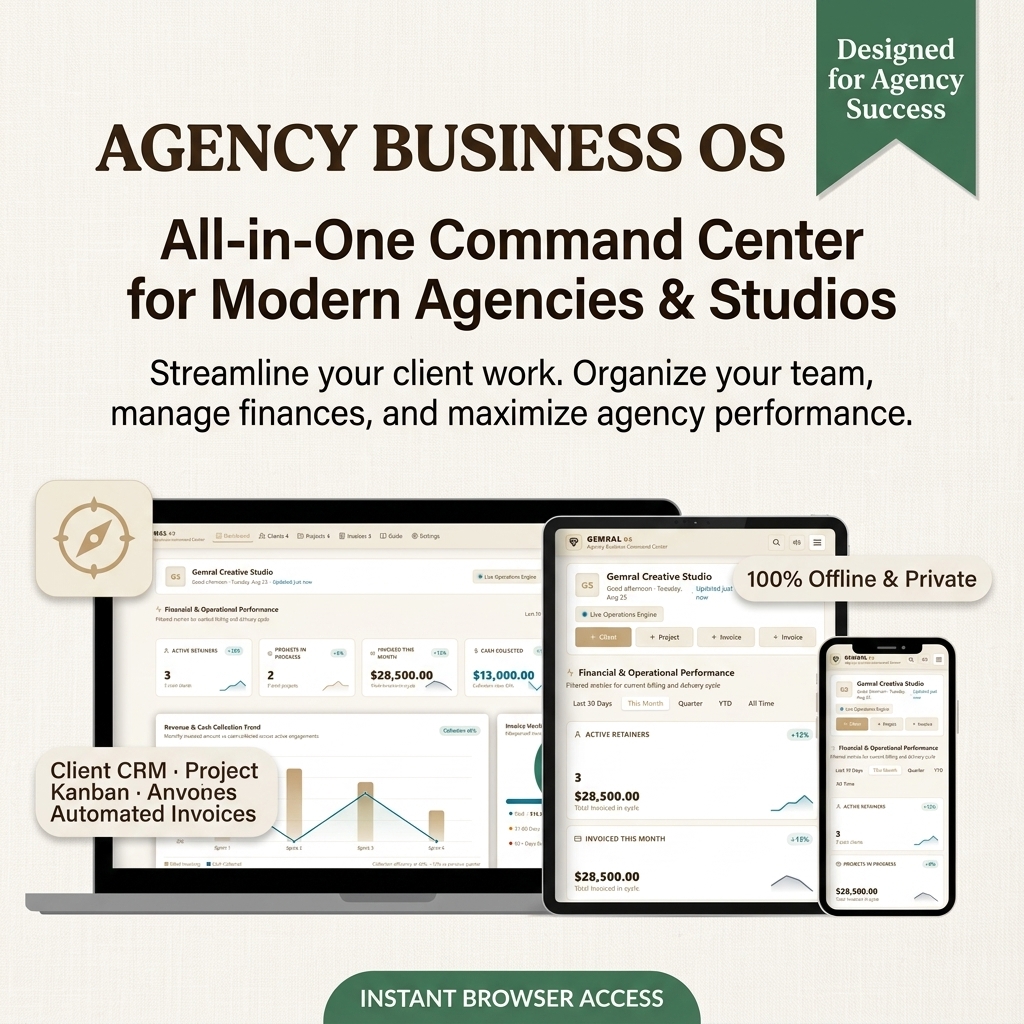
For teams seeking an all-in-one, offline-first command center that eliminates recurring SaaS fees, the Agency Business OS & Client Portal integrates all five modules into a single, portable application file.
Disclaimer: This interactive tool is intended for personal practice and informational purposes only, not professional financial or medical advice.
2. Agency Billing Models & Profit Margin Comparison
Choosing the right revenue model dictates agency profitability, operational sanity, and enterprise valuation:
| Agency Billing Model | Cash Flow Predictability | Profit Margin Potential | Scope Creep Vulnerability | Client Relationship Dynamic |
|---|---|---|---|---|
| Hourly Rate Billing | Very Low (Feast-or-Famine) | Capped by personal hours | High (Constant timesheet disputes) | Transactional vendor / Commodity labor |
| Fixed Project Milestones | Moderate (Tied to deliverables) | Moderate (20% - 35%) | Extreme (Deliverable expansion) | Project contractor / Milestone vendor |
| Monthly Value Retainers | High (Guaranteed monthly base) | High (40% - 60%) | Low (Well-defined scope boundaries) | Strategic partner / Trusted advisor |
| Productized Service Tier | Very High (Standardized catalog) | Superior (50% - 75%) | Virtually Zero (Strict SLA boundaries) | Scalable service provider / Platform |
3. Moving from Hourly Billing to Value Retainers
Hourly billing fundamentally penalizes experience and efficiency. The faster and more skilled an agency becomes, the fewer billable hours it records for the exact same high-value client outcome.
To stabilize agency cash flow, top operators transition toward Productized Services and Monthly Value Retainers:
- Predictable Revenue: Securing 5 to 10 ongoing retainer clients providing guaranteed baseline income, covering all agency fixed costs before the first day of each month.
- Resource Leveling: Allowing agency owners to schedule team capacity smoothly rather than suffering through chaotic feast-or-famine project cycles.
- Enhanced Client Relationships: Shifting the dynamic from transactional vendor to trusted strategic partner.
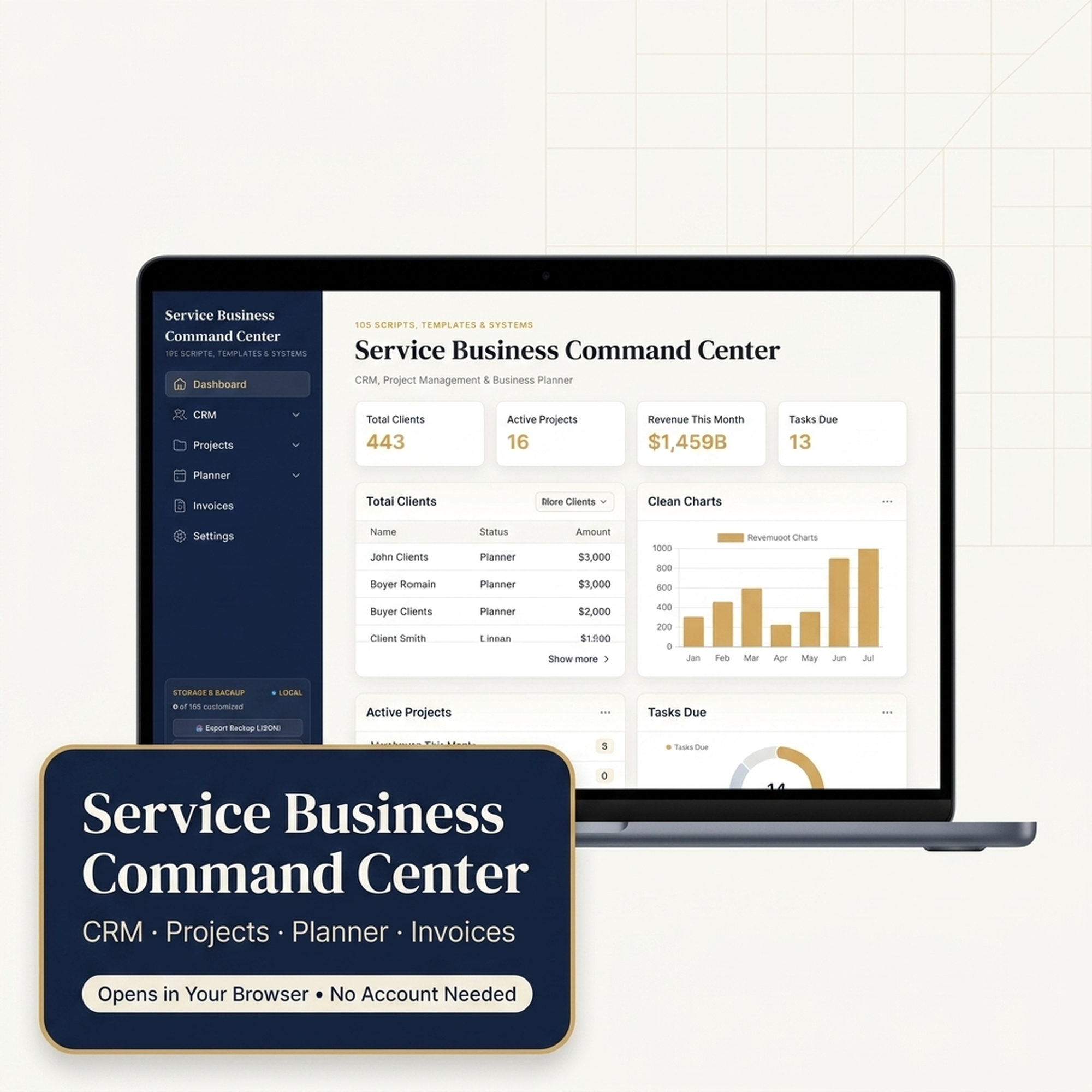
Monitoring active retainer health, renewal dates, and scope caps is built directly into specialized workspaces like the Service Business Command Center.
4. The Anatomy of Frictionless Client Onboarding
First impressions dictate the long-term profitability of client relationships. A disorganized onboarding process creates buyer remorse and invites scope creep before project kickoff.
A streamlined 4-step onboarding protocol should occur within 24 hours of contract signing:
Step 1: Automated Welcome & Welcome Package
Send a clear, branded overview detailing project communication guidelines, working hours, and emergency escalation paths.
Step 2: Centralized Asset Collection
Avoid collecting project assets across scattered email threads. Provide a single structured form or portal where clients deposit brand guidelines, typography files, access credentials, and raw content.
Step 3: Kickoff Alignment Call
Host a focused 30-minute kickoff meeting to reaffirm project milestones, clarify deliverable boundaries, and establish expectations for client review turnaround times.
Step 4: Milestone Sign-Off Schedule
Publish the project roadmap with explicit dates for draft reviews, revision rounds, and final approval sign-offs.
5. Controlling Operational Overhead & Cash Reserves
Agency profitability is won or lost in overhead management. Many agency founders prematurely hire full-time personnel during brief revenue spikes, only to face devastating payroll deficits during seasonal downturns.
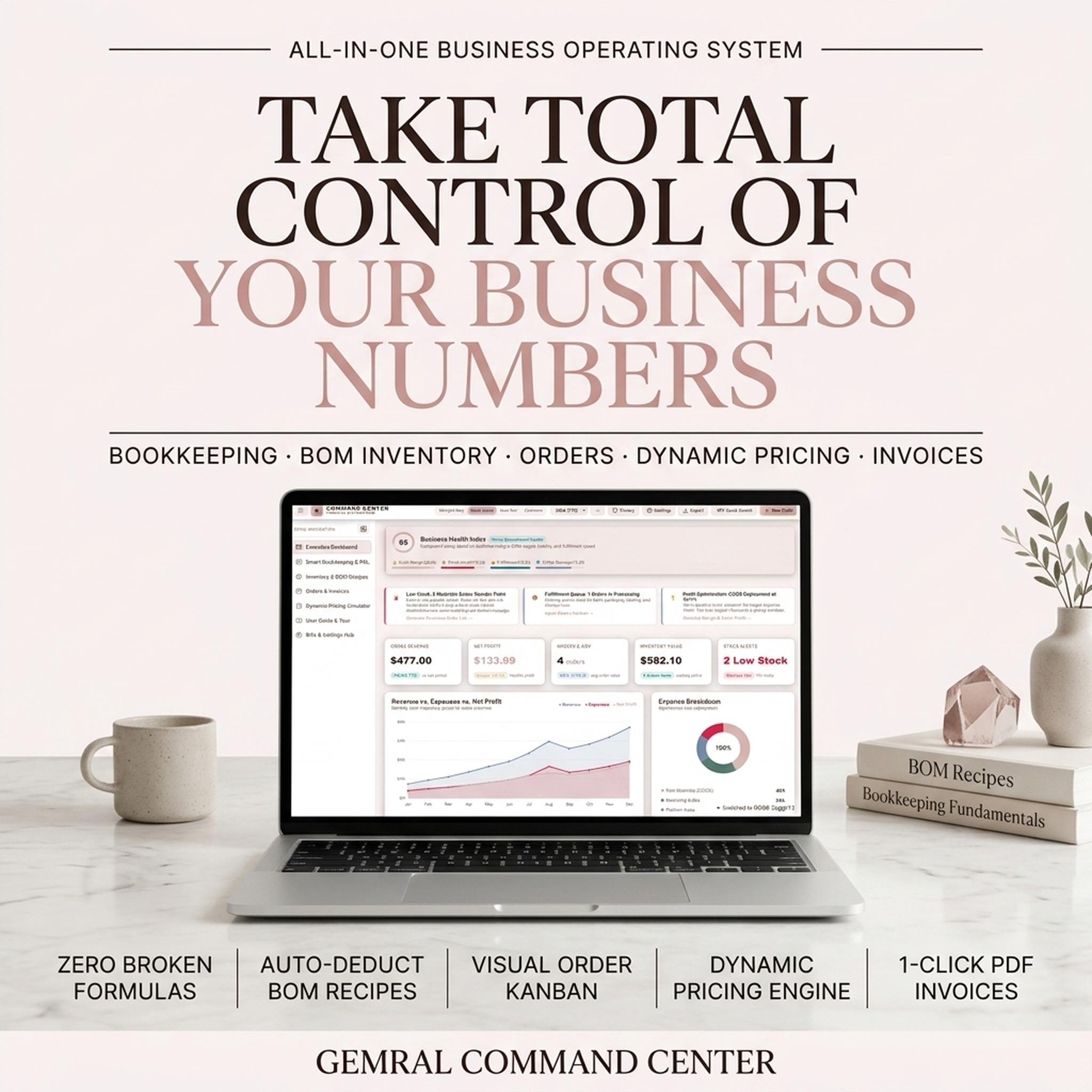
Using holistic tracking suites like the Small Business Operations Command Center, agency operators can forecast tax obligations, audit software subscriptions, and ensure that at least three to six months of operating reserves remain safely in high-yield reserves.
Strategic Topic Frameworks & Practical Connections
To deepen your practical mastery and build an integrated operational workflow within this topic, explore these complementary guides:
- Implement the execution protocols in Howard Marks Second-Level Thinking & Market Cycles Due Diligence Guide to systematically strengthen your foundational routine.
- Explore the strategic principles detailed in Severance Package Negotiation Checklist: What to Check, What to Ask For, and How Long Your Money Will Last for advanced optimization and mental clarity.
- Apply the structured methods from Nassim Taleb Antifragile Barbell Strategy & Asymmetric Risk Decision Guide to maintain long-term momentum and consistency.
6. Frequently Asked Questions (FAQ)
Why should creative agencies transition from hourly billing to monthly retainers?
Hourly billing fundamentally penalizes agency efficiency; as your team becomes faster and more experienced, you earn less money for the same high-impact result. Monthly value retainers decouple compensation from time spent, guarantee predictable recurring cash flow to cover fixed payroll, and reposition your team as an indispensable strategic advisor.
What are the key stages of a frictionless client onboarding process?
A streamlined 4-step onboarding sequence executed within 24 hours of contract execution includes: (1) an automated welcome package outlining communication hours and channels, (2) centralized brand and credential asset intake, (3) a 30-minute kickoff alignment call, and (4) an explicit milestone sign-off roadmap detailing draft delivery and revision windows.
How can boutique digital agencies prevent client scope creep?
Agencies mitigate scope creep by defining strict deliverable limits in their initial statement of work (SOW), instituting a formal change-order request protocol for out-of-scope tasks, and documenting client review turnarounds so delayed feedback does not push delivery deadlines without compensation.
How much cash reserve should a freelance practice or agency maintain?
A resilient agency should maintain an operating expense (OpEx) reserve equivalent to 3 to 6 months of fixed payroll, subcontractor commitments, and software subscriptions. This liquidity buffer prevents panicked discounting during seasonal demand lulls.
7. Conclusion
Scaling an agency is an architectural challenge rather than a brute-force labor effort. By implementing a unified business operating system, pricing on value rather than hours, and standardizing onboarding protocols, boutique agencies achieve institutional stability and exceptional profit margins.
Research & References
- [1]IRS — Self-Employed Individuals Tax Center ↗
- [2]U.S. Small Business Administration — Manage Your Finances ↗
For comprehensive editorial standards and health/financial disclaimers, view our Editorial Policy.
Tools featured in this guide
Agency Business OS & Interactive Client Portal
The all-in-one command center for creative agencies and boutique studios to manage clients, retainers, and billing.
$39₫849,000
Service Business Command Center & Client CRM OS
Complete interactive business operating system for service providers, consultants, freelancers, and coaches.
$24₫529,000
Small Business Command Center & Inventory Bookkeeping
All-in-one operating system for product makers, boutiques, and sellers to manage inventory, BOM costs, orders, and P&L.
$29₫629,000
Guides in this Topic
View all (17) → Business Strategy & Offer Architecture
Alex Hormozi $100M Offers: Value Equation & The Rule of 100 Leads Guide
Master Alex Hormozi's $100M Offers value equation, Grand Slam offer architecture, and the Rule of 100 leads system to scale enterprise revenue.
Read guide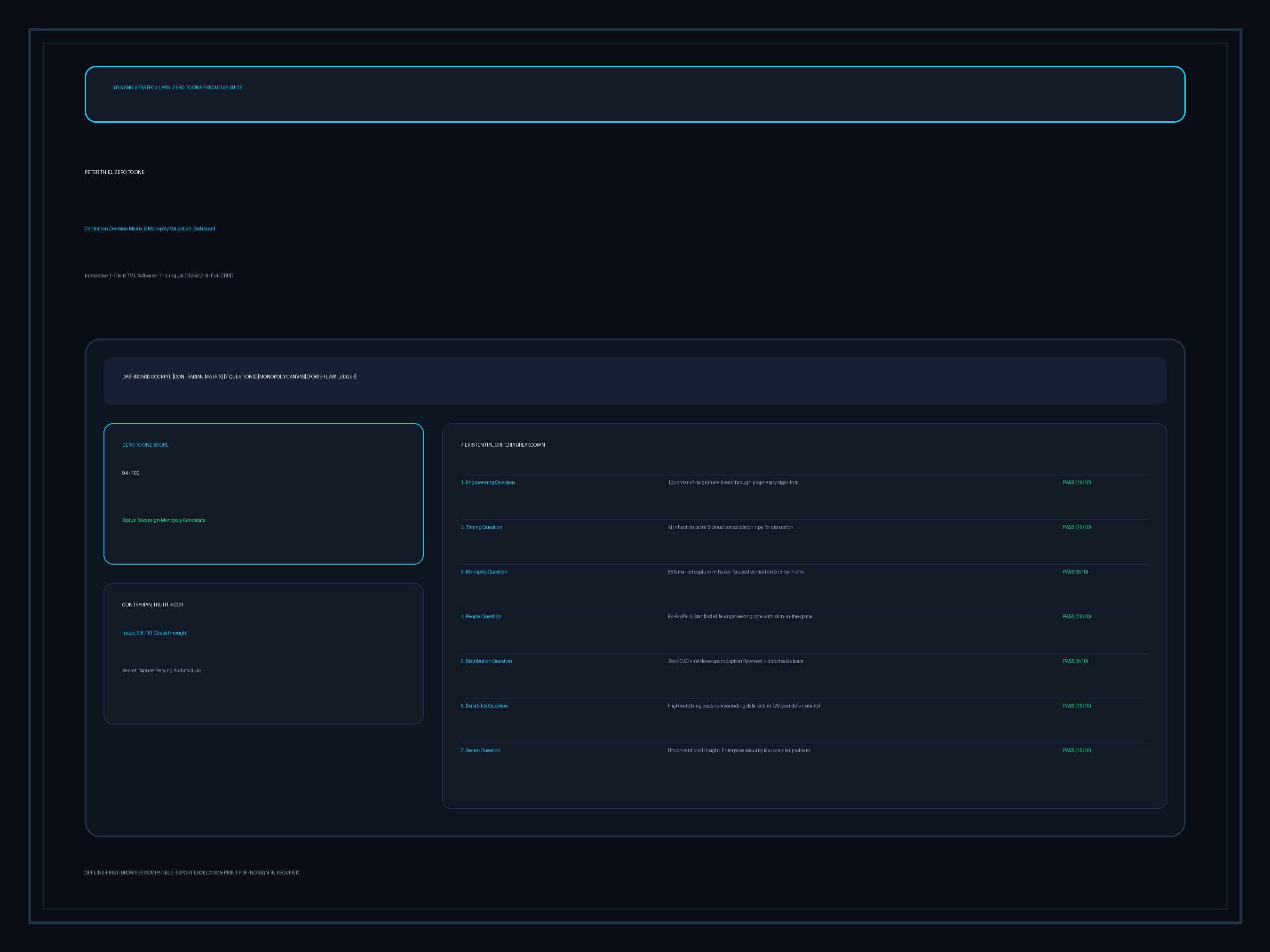 Venture Capital & Contrarian Strategy Architecture
Peter Thiel Zero to One & Contrarian Thinking: The Definitive Guide
Master Peter Thiel's Zero to One philosophy, contrarian truth frameworks, the 7 startup questions, and escape the trap of destructive competition.
Read guide Business Finance
The Small Business Cash Flow & Profit Margin Framework
Master small business cash flow management. Learn P&L modeling, break-even analysis, operating margin control, and offline financial tracking.
Read guide Real Estate Investment
Commercial Real Estate Underwriting & Cap Rate Financial Modeling
Master commercial real estate underwriting. Learn Cap Rate calculation, Net Operating Income (NOI), Debt Service Coverage, and sensitivity modeling.
Read guide Personal Finance & Budgeting
50/30/20 vs Zero-Based Budgeting: Complete Cash Flow Management Guide & Calculator
Compare the 50 30 20 budget rule against zero-based budgeting. Download templates, calculate cash flow allocations, and eliminate personal financial leaks.
Read guide Quantitative & Crypto
Crypto Trading Journal Template & Systematic Risk Management Guide
Master crypto trading journal template practices. Track win rates, risk-reward ratios, drawdown metrics, and mental discipline for consistent performance.
Read guide
Topic Pillar
Wealth, Business & Real Estate
Financial models, risk asymmetry, commercial underwriting, and scalable wealth building systems.
Ask Yinyang Masters inside your AI assistant
Get the same calculations and guidance right in your chat: add the free Yinyang Masters app, then ask in plain English. No account needed.
Try asking: “Find a Yinyang Masters guide about starting a daily spiritual practice.”